
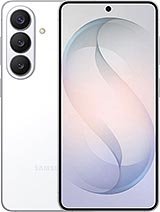
👍 Pros
- Compact form factor (149.6 x 71.7 x 7.2 mm) for single-handed use.
- Premium build with Gorilla Glass Victus 2 on front and back.
- Bright Dynamic LTPO AMOLED 2X display with 2600 nits peak brightness.
- Long-term software support with up to 7 major Android upgrades.
- Versatile main camera system with OIS on wide and telephoto lenses.
👎 Cons
- Relatively small 4300 mAh battery capacity for 2026 standards.
- 25W wired charging is slow compared to modern mid-range options.
- No expandable storage via a microSD card slot.
- 1080p display resolution is adequate but not class-leading for 2026.
- Regional chipset variations may lead to performance inconsistencies.
Expert Review & Rating
Market Position in 2026
In 2026, the Samsung Galaxy S26, originally released in March 2026, occupies a unique niche as a compact flagship. Its hardware, particularly the Snapdragon 8 Elite Gen 5 or Exynos 2600 chipset and the Dynamic LTPO AMOLED 2X display, remains highly capable, making it a viable option on the used or refurbished market for those prioritizing a smaller form factor.
The Compromises
The most notable compromise on the Galaxy S26 is its 4300 mAh battery capacity, which is comparatively small for 2026 standards and could lead to less than all-day endurance for power users. Furthermore, the 25W wired charging speed is significantly slower than many mid-range phones released in the current year, impacting quick top-up convenience. The absence of a microSD card slot limits storage expansion, and the regional chipset variations (Snapdragon vs. Exynos) introduce potential inconsistencies in long-term performance and efficiency across different markets.
Performance & Daily Usage
Based on the Qualcomm Snapdragon 8 Elite Gen 5 (3 nm) or Exynos 2600 (2 nm) chipsets, the Galaxy S26 delivers robust performance. Daily tasks, including demanding applications and multitasking, are handled with efficiency. The 120Hz Dynamic LTPO AMOLED 2X display ensures fluid UI responsiveness. Thermal management, given the advanced 3nm/2nm process, should be effective for sustained workloads, though intensive gaming will naturally generate heat.
The Best Features
The Galaxy S26’s compact design (149.6 x 71.7 x 7.2 mm) is a significant selling point, offering a premium feel with its Gorilla Glass Victus 2 build on both front and back. The 6.3-inch Dynamic LTPO AMOLED 2X display, boasting a 120Hz refresh rate and an impressive 2600 nits peak brightness, provides an excellent visual experience even in direct sunlight. The camera system, featuring a 50 MP main sensor and a 10 MP telephoto lens, both with OIS, suggests competent photography capabilities, especially for stable shots and optical zoom. The commitment to up to 7 major Android upgrades ensures long-term software relevance and security.
Buying Advice
The Samsung Galaxy S26 is a strong consideration for users in 2026 who prioritize a compact, premium Android experience and long-term software support on the used market. However, those requiring exceptional battery life or cutting-edge fast charging speeds should explore newer, potentially larger, mid-range alternatives.
Frequently Asked Questions (FAQs)
Yes, for users seeking a compact flagship with excellent display quality and long-term software support on the used market, it remains a viable option. However, its battery capacity and charging speeds are no longer competitive with current mid-range devices.
The 50 MP main camera with a f/1.8 aperture and 1.0µm pixels, combined with OIS, suggests competent low-light performance for its class. However, without larger sensors or advanced computational photography features common in newer devices, it may not match the absolute best low-light results of current flagships.