
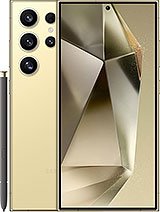
👍 Pros
- High-resolution display with impressive peak brightness remains competitive for outdoor visibility.
- Robust build quality with Gorilla Armor and titanium frame offers superior durability.
- The Snapdragon 8 Gen 3 chipset still provides strong performance for most applications.
- Long software support with 7 major Android upgrades ensures continued feature updates.
- Versatile camera system with multiple optical zoom levels and high-resolution main sensor.
👎 Cons
- Battery charging speed is slower compared to many 2026 flagships and even some mid-range devices.
- Lack of expandable storage via microSD card limits flexibility for large media libraries.
- The phone's physical dimensions and weight are substantial, potentially impacting one-handed use.
- The 15W wireless charging is no longer considered fast by 2026 standards.
- While still capable, the Snapdragon 8 Gen 3 is not as power-efficient or AI-optimized as 2026's latest chipsets.
Expert Review & Rating
Market Position in 2026
The Samsung Galaxy S24 Ultra, two years post-launch, remains a competent device, primarily finding its niche in the robust used and refurbished markets. Its hardware, while not cutting-edge, still outpaces many contemporary mid-range phones, making it a viable second-hand purchase for users seeking premium features without the 2026 flagship price tag.
The Best Features
The 6.8-inch Dynamic LTPO AMOLED 2X display, with its 120Hz refresh rate and 2600 nits peak brightness, provides an excellent visual experience that holds up remarkably well against newer panels, ensuring superb outdoor visibility and smooth content consumption. The titanium frame and Gorilla Armor glass contribute to a durable build, suggesting longevity for a used device. The Snapdragon 8 Gen 3 chipset, despite being older, still offers substantial processing power for most modern applications and games. The camera system, particularly the versatile quad setup with multiple optical zoom levels, continues to capture detailed and flexible imagery. Furthermore, the promise of up to 7 major Android upgrades ensures the software experience remains current and secure.
Performance & Daily Usage
The Snapdragon 8 Gen 3 chipset, while not the latest, delivers a consistently responsive user experience. UI navigation is fluid. Application loading times are quick. Thermal management, given the 4nm process, is generally efficient for sustained use.
The Compromises
The primary compromise in 2026 is the charging speed; 45W wired and 15W wireless charging are notably slower than current flagship and many mid-range standards, requiring longer top-up times. The lack of a microSD card slot, while common in flagships, limits storage expansion for users with extensive media libraries. While still powerful, the Snapdragon 8 Gen 3 may exhibit less optimized AI capabilities and slightly reduced power efficiency compared to 2026’s latest chipsets, which could subtly impact battery life under heavy, AI-dependent workloads. The device’s considerable weight and dimensions might also be a drawback for users preferring a more compact form factor.
Buying Advice
For users prioritizing a durable build, a high-quality display, and a versatile camera system on a budget, the Galaxy S24 Ultra is a strong contender on the used market in 2026. However, those requiring the absolute fastest charging speeds, the latest AI features, or a lighter, more compact design should consider newer mid-range or flagship alternatives.
Frequently Asked Questions (FAQs)
Yes, it remains a viable purchase on the used or refurbished market in 2026 for users seeking premium features like a durable build, excellent display, and versatile camera system at a reduced price point, thanks to its robust hardware and long software support.
Based on its specifications, the quad-camera system, featuring a 200 MP main sensor, 5x optical periscope telephoto, and 3x optical telephoto, remains highly competitive for image versatility and detail capture, especially in well-lit conditions. Its OIS on multiple lenses helps with stability, though low-light performance will depend on software processing which has evolved significantly in newer models.