
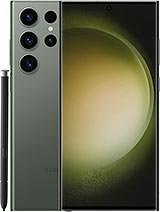
👍 Pros
- High-resolution 200 MP main camera with OIS offers significant detail capture for its age.
- Large 5000 mAh battery capacity, suggesting robust endurance for a device of its generation.
- Dynamic AMOLED 2X display with 1750 nits peak brightness remains competitive for outdoor visibility.
- Qualcomm Snapdragon 8 Gen 2 chipset still provides capable performance for most applications.
- Up to 4 major Android upgrades ensures continued software support into 2027.
👎 Cons
- Charging speed limited to 45W wired, which is slower compared to contemporary devices in 2026.
- Absence of a microSD card slot restricts expandable storage options.
- Gorilla Glass Victus 2, while durable, is superseded by newer, more resilient glass technologies in 2026.
- Snapdragon 8 Gen 2, while capable, is a two-generation-old chipset, lacking the efficiency and raw power of 2026 flagships.
- Only 15W wireless charging is slower than many modern mid-range offerings.
Expert Review & Rating
Market Position in 2026
In 2026, the Samsung Galaxy S23 Ultra occupies a niche in the used and refurbished market, offering a premium experience at a significantly reduced cost compared to its launch price. Its hardware, while not cutting-edge, remains capable for most users, positioning it as a strong contender against modern mid-range smartphones.
The Best Features
The 200 MP main camera, with its large sensor and OIS, remains a compelling feature, capable of capturing highly detailed images that can still rival some current-generation devices. The Dynamic AMOLED 2X display, with its 120Hz refresh rate and high peak brightness, continues to deliver an excellent visual experience, making content consumption and gaming enjoyable. Furthermore, the 5000 mAh battery capacity, combined with the power efficiency of the Snapdragon 8 Gen 2, suggests reliable all-day endurance for average tasks, which is a significant advantage for a device of its age.
The Compromises
The 45W wired charging speed, while adequate, is noticeably slower than the rapid charging solutions found in many 2026 smartphones, leading to longer top-up times. The lack of a microSD card slot means users are limited to the internal storage configurations, which could be a constraint for those with extensive media libraries. While the Gorilla Glass Victus 2 offers good protection, it is no longer the industry standard for durability, and the Snapdragon 8 Gen 2, despite its capabilities, is a two-generation-old chipset, potentially showing its age in highly demanding applications or future software updates.
Performance & Daily Usage
Based on the hardware, the Snapdragon 8 Gen 2 chipset provides sufficient power for daily tasks and even moderately demanding applications. UI responsiveness should remain fluid, supported by the 120Hz display. Given the chipset’s 4nm manufacturing process, thermal management is expected to be efficient under typical loads. The 5000 mAh battery, paired with the efficient processor, suggests consistent power delivery throughout a standard day. The camera system, particularly the 200 MP main sensor, offers versatility and detail, although computational photography advancements in newer phones may surpass its processing capabilities. The display’s brightness and resolution ensure a premium viewing experience.
Buying Advice
The Samsung Galaxy S23 Ultra in 2026 is an excellent refurbished option for users prioritizing a high-quality camera, a vibrant display, and solid battery life without the premium price tag of a new flagship. However, those seeking the absolute latest in processing power, rapid charging, or cutting-edge durability should consider newer alternatives.
Frequently Asked Questions (FAQs)
Yes, the Samsung Galaxy S23 Ultra remains a viable purchase in 2026, particularly on the used or refurbished market, offering a strong camera system, excellent display, and capable performance for its price point. It has aged well enough to compete with many new mid-range devices.
The Snapdragon 8 Gen 2, while a two-generation-old chipset in 2026, still delivers competent performance for most daily applications, multitasking, and even many modern games. However, it will not match the raw processing power or efficiency of the latest 2026 flagship chipsets.