
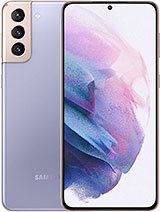
👍 Pros
- Durable Gorilla Glass Victus front and back provides enhanced drop and scratch resistance.
- Dynamic AMOLED 2X display with 120Hz refresh rate still offers a fluid visual experience.
- IP68 rating (expected for its class) ensures protection against dust and water ingress.
- Capable camera system with OIS on the main and telephoto lenses for stable photos and videos.
- Guaranteed software updates up to One UI 7, providing modern Android features and security.
👎 Cons
- Lack of microSD card slot limits storage expansion options.
- Exynos 2100/Snapdragon 888 chipsets, while once flagship, are now mid-range in performance for 2026.
- 25W wired charging is slower compared to many contemporary mid-range and flagship devices.
- Display resolution of 1080 x 2400 pixels is lower than some 2026 mid-range phones.
- Battery capacity of 4800 mAh may struggle with heavy usage given the age of the device and potential battery degradation.
Expert Review & Rating
Market Position in 2026
In 2026, the Samsung Galaxy S21+ 5G positions itself as a budget-friendly option on the refurbished market, primarily appealing to users seeking a reliable smartphone for basic tasks. While its hardware was flagship-tier in 2021, it now competes with modern entry-level and mid-range devices.
The Compromises
The absence of a microSD card slot was a notable design choice, limiting storage expansion. The 25W wired charging, while adequate, is considerably slower than many contemporary devices, leading to longer charge times. The 1080p display, while vibrant, does not offer the pixel density of newer high-resolution screens. On paper, the Exynos 2100 or Snapdragon 888 chipsets, while still functional, will not deliver the same fluid performance or power efficiency as current 3nm or 4nm processors. This means demanding applications or high-fidelity gaming will likely exhibit frame rate drops and slower load times compared to modern alternatives. The 4800 mAh battery, while respectable at launch, will have experienced degradation over five years, potentially impacting all-day endurance for anything beyond light usage. The camera system, while capable for its time, lacks the advanced computational photography and larger sensors found in 2026 mid-range and flagship phones, suggesting less impressive low-light performance and dynamic range in challenging conditions.
Performance & Daily Usage
Given the chipset, daily usage will be generally responsive for common applications like web browsing and social media. UI responsiveness may show occasional micro-stutters in graphically intensive interfaces compared to newer devices. Thermal management, based on the 5nm process, might lead to noticeable warmth under sustained heavy loads, such as gaming or prolonged video recording. The 120Hz Dynamic AMOLED 2X display still provides a smooth visual experience for scrolling and media consumption. The glass and aluminum build maintains a premium feel, despite its age. The main camera’s OIS and dual pixel PDAF still allow for reasonably sharp and stable photos in good lighting. The 8K video recording, while a headline feature, is less practical due to file sizes and heat generation, and 4K@60fps remains a more balanced option. The 4800mAh battery, after years of use, is unlikely to offer all-day power for anything but the lightest users without a midday charge.
The Best Features
The enduring strength of the Galaxy S21+ 5G lies in its robust build quality, featuring Gorilla Glass Victus on both the front and back, providing above-average protection against accidental drops and scratches. This contributes to its viability as a second-hand purchase. The Dynamic AMOLED 2X display with its 120Hz refresh rate remains a significant asset; even in 2026, a high refresh rate panel enhances the perceived smoothness of the user interface and content consumption, making daily interactions more pleasant. The inclusion of OIS on both the wide and telephoto main cameras ensures that photos and videos benefit from improved stability, leading to clearer images and less shaky footage, which is a feature often omitted in modern budget phones. Furthermore, Samsung’s commitment to software updates, delivering up to One UI 7, means the device benefits from contemporary Android features and security patches, extending its functional lifespan beyond many of its contemporaries.
Buying Advice
Consider the Galaxy S21+ 5G in 2026 if you require a durable, feature-rich smartphone for basic to moderate tasks on a very tight budget, specifically from a reputable refurbished seller. However, users prioritizing cutting-edge performance, advanced camera capabilities, or rapid charging speeds should explore newer mid-range alternatives.
Frequently Asked Questions (FAQs)
In 2026, the Samsung Galaxy S21+ 5G is primarily a viable option on the refurbished market for budget-conscious users who need a reliable device for everyday tasks, benefiting from its durable build and continued software support. However, its performance and battery life will not match modern mid-range or flagship phones.
Based on its hardware, the 12 MP main sensor with OIS and a 1.8µm pixel size, while good for its release year, will likely struggle with low-light performance compared to 2026 devices with larger sensors and more advanced computational photography. It will produce acceptable results in moderately lit environments, but expect increased noise and less detail in very dark conditions.