
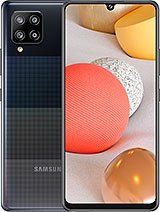
👍 Pros
- 5G connectivity, which remains relevant in 2026
- Large 5000 mAh battery capacity for extended usage
- Super AMOLED display technology offers good contrast and vibrant colors
- Upgradable to Android 13, providing access to more recent software features
👎 Cons
- 720p display resolution results in a lower pixel density (266 ppi), appearing less sharp than contemporary panels
- 15W charging is considerably slow compared to modern standards, leading to longer charge times
- Qualcomm Snapdragon 750 5G chipset, while capable for its time, will show significant performance limitations in 2026 for demanding applications
- No dedicated macro lens, relying on an auxiliary lens for close-up shots which typically offers limited detail
- Shared SIM slot for microSDXC limits dual SIM functionality if expandable storage is used
Expert Review & Rating
Market Position in 2026
In 2026, the Samsung Galaxy A42 5G primarily exists as a budget-friendly option on the used or refurbished market. Its hardware, while capable in 2020, now positions it significantly below current entry-level smartphones in terms of processing power and display quality.
The Best Features
The device’s strongest selling point remains its 5G connectivity, which ensures it can still access modern network speeds. The 5000 mAh battery capacity, even after several years, should still offer reliable all-day endurance for light to moderate use. The Super AMOLED display technology, despite its lower resolution, provides good contrast and vibrant colors that are often superior to modern LCD panels in similar price brackets.
The Compromises
The most notable compromise is the 720p display resolution, which results in a pixel density of only 266 ppi; text and images will appear noticeably less sharp compared to contemporary smartphones, even budget models. The 15W wired charging is slow by 2026 standards, requiring significantly longer to fully replenish the large battery. Performance-wise, the Snapdragon 750 5G chipset will struggle with anything beyond basic multitasking and light applications, showing considerable lag with more demanding apps or modern mobile games.
Performance & Daily Usage
Based on the hardware, the Snapdragon 750 5G chipset will deliver a functional but not fluid experience in 2026. UI responsiveness will likely exhibit delays, particularly when switching between applications or loading content. Thermal management for everyday tasks should be adequate given the chipset’s age and power profile, though sustained demanding use could induce warmth. The 48 MP main camera, while offering decent daylight photos, will likely show limitations in low-light conditions and dynamic range compared to newer sensors. The 20 MP selfie camera is competent for video calls and casual self-portraits but lacks advanced features. The large 5000 mAh battery, paired with the less demanding 720p display and older chipset, suggests reliable all-day endurance for average tasks, but the 15W charging speed means long top-up times.
Buying Advice
This phone is a viable option for individuals seeking a very inexpensive device for basic communication, media consumption, and 5G access on the used market. However, those prioritizing display sharpness, fast charging, or robust application performance should invest in newer, even entry-level, alternatives.
Frequently Asked Questions (FAQs)
In 2026, the Samsung Galaxy A42 5G is primarily worth considering as an extremely budget-friendly used or refurbished device for basic tasks and 5G connectivity. Its hardware is significantly dated compared to current phones, even in the entry-level segment.
Based on its hardware, the 48 MP main camera with an f/1.8 aperture and 0.8µm pixels, without optical image stabilization (OIS), will likely produce images with noticeable noise and reduced detail in low-light conditions compared to modern smartphone cameras.