
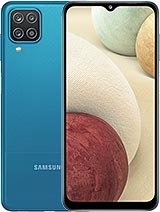
👍 Pros
- High battery capacity (5000mAh) for extended usage
- Dedicated microSDXC slot for expandable storage
- Affordable price point on the used market in 2026
- Android 12 update provides more modern software features
👎 Cons
- Outdated chipset (Helio P35) struggles with modern applications
- Low display resolution (720p) and pixel density for 2026 standards
- Limited RAM options (down to 2GB) severely impact multitasking
- No OIS on any camera sensor, affecting low-light and video stability
- Only 15W wired charging, slow by 2026 standards
Expert Review & Rating
Market Position in 2026
In 2026, the Samsung Galaxy A12 occupies the very entry-level segment of the used smartphone market, primarily serving as a basic communication device. Its hardware, while functional, is significantly outpaced by even the most affordable new budget phones, making it a niche consideration.
The Compromises
The most significant compromises of the Galaxy A12 are evident in its core components. The MediaTek Helio P35 chipset, built on a 12nm process, represents a considerable bottleneck. This older silicon, paired with limited RAM options (as low as 2GB), means the device will struggle with anything beyond the most basic applications. Memory-intensive tasks, even simple web browsing with multiple tabs, are likely to cause noticeable slowdowns. The 720p PLS LCD display, while offering decent size, delivers a pixel density of only 270 ppi, resulting in visibly less sharp text and images compared to modern displays. The camera system, while featuring a 48MP main sensor, lacks Optical Image Stabilization (OIS), which impacts clarity in less-than-ideal lighting and contributes to shaky video. Furthermore, the 15W charging speed is slow, requiring extended periods to fully replenish the 5000mAh battery.
Performance & Daily Usage
Based on the hardware, the Galaxy A12 in 2026 would likely exhibit considerable performance limitations. UI responsiveness can be expected to be sluggish, particularly when navigating menus or switching between applications. Opening apps will be slow. Thermal management is unlikely to be a major issue due to the low-power chipset, but sustained basic use could still lead to minor warmth. Multitasking will be severely hampered by the low RAM configurations. Gaming, even casual titles, will present significant challenges in terms of frame rates and load times.
The Best Features
The primary strength of the Samsung Galaxy A12 lies in its battery capacity. The 5000mAh Li-Po battery, combined with the power-efficient (albeit low-performance) Helio P35 chipset and a low-resolution display, suggests reliable all-day endurance for light usage. This can be a significant advantage for users who prioritize battery life above all else and have minimal performance demands. The inclusion of a dedicated microSDXC slot is another practical benefit, allowing users to expand storage affordably, which is critical given the modest internal storage options. While the camera hardware is dated, the 48MP main sensor, in optimal lighting conditions, could capture adequate detail for casual sharing, though the lack of OIS and advanced processing will limit its versatility. The update to Android 12 means it runs a relatively recent version of the OS, offering some modern software features and security patches, which is a positive for an older device.
Buying Advice
In 2026, the Samsung Galaxy A12 is best suited as an extremely budget-conscious secondary device or for users with minimal smartphone needs, such as basic calling and messaging. For anyone requiring even moderate performance, a smoother user experience, or a capable camera, investing in a newer, albeit slightly more expensive, entry-level smartphone is advisable.
Frequently Asked Questions (FAQs)
The Samsung Galaxy A12's hardware is significantly aged by 2026 standards. While its large 5000mAh battery and dedicated microSD slot offer utility for basic tasks, its slow Helio P35 chipset and low-resolution display mean it will struggle with modern applications and provide a sluggish user experience. It's only worth considering if budget is the absolute priority for a very basic, used device.
Based on its specifications, the camera system on the Galaxy A12 is not suitable for low-light conditions in 2026. The 48MP main sensor lacks Optical Image Stabilization (OIS), and the older chipset means limited computational photography capabilities. Images captured in dim environments are likely to exhibit significant noise and a lack of detail.