
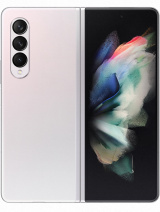
👍 Pros
- Expansive foldable display for multitasking
- Robust build quality with Gorilla Glass Victus
- Still receiving major Android updates (up to One UI 6.1)
- Under-display camera offers an uninterrupted main screen
- S Pen support (though not included) for productivity
👎 Cons
- Under-display camera is low resolution and noticeable
- Battery life is merely adequate for a foldable
- Snapdragon 888 5G can run warm under load by 2026 standards
- Charging speeds are slow compared to modern flagships
- Heavy and thick when folded
Expert Review & Rating
Quick Overview
The Samsung Galaxy Z Fold3 5G, even in 2026, remains a testament to Samsung’s early foldable ambitions. This device targets the power user, the multi-tasker, and the early adopter who craves a tablet-sized screen in their pocket. It’s for those who prioritize screen real estate and productivity over a slim profile or cutting-edge camera tech. Think of it as a digital canvas for the mobile professional or a portable media center for the enthusiast. Its unique form factor still turns heads, offering an experience few other devices can truly replicate, even years after its initial release.
The Compromises
Let’s be brutally honest: the Z Fold3, while innovative, had its share of compromises. The most glaring? That 4 MP under-display camera on the main screen. It was a technical marvel at the time, but the image quality was poor, and the pixelation was often visible, detracting from an otherwise stunning display. Battery life, at 4400 mAh, was just adequate for a single day, often requiring a top-up if you leaned heavily on that large, vibrant screen. Charging speeds, at 25W wired, felt sluggish even in 2021, and by 2026, they’re frankly behind the curve. The device’s weight and thickness when folded also made it a substantial pocket presence, far from the sleek slabs we’re accustomed to. The crease, while improved, was still undeniably there, a constant reminder of its foldable nature.
Performance & Daily Usage
Under the hood, the Snapdragon 888 5G was a flagship chip for its time. In 2026, it still handles most daily tasks with ease. Apps open quickly. Multitasking with One UI 6.1 is fluid. The 120Hz refresh rate on both displays keeps animations smooth and responsive. However, push it with intense gaming or heavy video editing, and you’ll notice the 5nm chip can run warm. Sustained performance isn’t its strong suit compared to today’s silicon. The UI remains intuitive, leveraging the large inner screen effectively for split-screen apps. It’s not a speed demon by 2026 standards, but it’s far from a slouch. Day-to-day operations are generally snappy, with minimal stutters or lags.
The Best Features
The star of the show, unequivocally, is that 7.6-inch Foldable Dynamic AMOLED 2X display. It’s simply transformative. Unfolding the device to reveal that expansive canvas for media consumption, document editing, or simultaneous app usage is still a ‘wow’ moment. The 120Hz refresh rate makes everything silky smooth, and HDR10+ support delivers vibrant, punchy colors. The ability to run three apps side-by-side or have a video playing while you browse is genuinely productive. The main camera system, while not groundbreaking, is versatile enough for most situations, offering OIS on both wide and telephoto lenses. And the inclusion of S Pen support (even if sold separately) truly elevated its productivity potential, turning it into a pocketable digital notebook or sketchpad. The build quality, with Gorilla Glass Victus on the external panels, also gave it a reassuringly premium and durable feel, a significant step forward for foldables at the time.
Is It Worth Buying?
So, in 2026, is the Samsung Galaxy Z Fold3 5G still worth buying? For the right user, absolutely. If you’re looking for an affordable entry into the foldable world and prioritize screen real estate for productivity or media, the Z Fold3 offers tremendous value on the used market. It’s for the budget-conscious enthusiast who wants that unique form factor without breaking the bank on a brand-new model. However, if you demand cutting-edge camera performance, all-day battery life without compromise, or the absolute fastest processor, you’ll find it lacking compared to current 2026 flagships. Its slower charging and mediocre under-display camera are definite drawbacks. It’s a fantastic second-hand buy for a specific niche, but not for everyone.
Frequently Asked Questions (FAQs)
While capable of running many modern games, the Snapdragon 888 5G in the Z Fold3 will show its age with demanding titles, potentially leading to lower frame rates and noticeable thermal throttling compared to current-generation chipsets. It's fine for casual gaming, but not a top-tier gaming phone anymore.
The crease on the Z Fold3's main display is still present and visible, especially at certain angles or when light reflects off it. While some users adapt to it, it remains a physical characteristic of this generation's foldable technology and hasn't magically disappeared over time. It's a trade-off for the foldable form factor.