
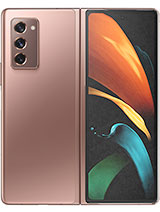
👍 Pros
- Expansive 7.6-inch foldable display for tablet-like experience
- Premium build with glass and aluminum, feels substantial
- Surprisingly capable camera system for a foldable
- Excellent multitasking with One UI's foldable optimizations
- Still receives software updates, currently on Android 13
👎 Cons
- Outdated processor (Snapdragon 865 5G+) for 2026 standards
- Heavy and bulky when folded, especially compared to modern devices
- Slow charging speeds (25W wired) by today's standards
- Durability concerns with the inner plastic display
- No expandable storage
Expert Review & Rating
Quick Overview
Stepping into 2026, the Samsung Galaxy Z Fold2 5G feels like a relic from a different era, yet it still holds a certain charm. While modern foldables like the latest Z Fold models or even offerings from OnePlus and Honor boast sleeker designs, under-display cameras, and significantly more powerful silicon, the Fold2 was a pioneer. It represented a massive leap over its predecessor, solidifying Samsung’s vision for the foldable form factor. It’s bulkier, sure, but it laid the groundwork for the polished devices we see today.
Performance & Daily Usage
Under the hood, the Snapdragon 865 5G+ was a beast in 2020. In 2026? It’s adequate for most daily tasks. Apps launch reasonably fast. Scrolling is smooth, thanks to the 120Hz display. Multitasking, a core strength, still feels productive. However, demanding games or heavy video editing will expose its age. Thermal management was never a major issue, and it remains decent, avoiding significant throttling during extended use. UI responsiveness is generally good, especially after updates to Android 13 and One UI 5.1.1, but don’t expect the instantaneity of a Snapdragon 8 Gen 3 device.
The Compromises
Let’s be brutally honest: the Fold2 made some significant compromises, especially when viewed through a 2026 lens. Its bulk and weight are undeniable; at 282g and up to 16.8mm thick when folded, it’s a brick compared to current flagships. The charging speeds are painfully slow by today’s standards – 25W wired feels like a lifetime. The inner plastic display, while revolutionary at the time, is still prone to scratches and the crease is far more noticeable than on newer generations. And that 865+ processor, while competent, means you’re missing out on the latest AI features and raw performance benchmarks of contemporary phones.
The Best Features
The true magic of the Z Fold2 still lies in its expansive 7.6-inch foldable display. Unfolding it reveals a mini-tablet, perfect for media consumption, detailed document viewing, or serious split-screen multitasking. The 120Hz refresh rate on that inner screen was a game-changer and still provides a fluid visual experience. The build quality, despite its heft, feels premium with its glass and aluminum construction. The hinge, a marvel of engineering for its time, still feels robust. And for a foldable from its era, the camera system was surprisingly capable, delivering consistent and vibrant shots from its triple 12MP setup.
Is It Worth Buying?
In 2026, evaluating the Samsung Galaxy Z Fold2 5G purely on price-to-performance is tricky. Its launch price of around 960 EUR is long gone. If you can find one for an absolute steal, say under 300 EUR, and you understand its limitations – particularly the dated processor and slower charging – it could still offer a unique, large-screen experience for media consumption or light productivity. However, for most users looking for a daily driver in 2026, its age, bulk, and performance ceiling make it a difficult recommendation against even mid-range devices from the last year or two, which offer superior performance and battery life for similar or less money. It’s a collector’s item or a niche secondary device now, not a primary phone for the average consumer.
Frequently Asked Questions (FAQs)
The inner plastic display, while improved from the original Fold, is still susceptible to scratches and the crease remains visible. Modern foldables have made significant strides here, so expect a less robust experience compared to current devices.
For most everyday apps and even many games, yes, it will function. However, the Snapdragon 865 5G+ is a 2020 chip, so don't expect flagship-level gaming performance or the rapid processing of AI-heavy tasks found on 2026's top-tier phones.
With a 4500 mAh battery and a 120Hz large display, battery life was decent at launch. In 2026, factoring in battery degradation over time, you'll likely be looking at a full day of light to moderate use, but heavy users will definitely need a midday top-up, especially with its slow charging speeds.
The triple 12MP setup was solid for its time, producing good photos and videos. While it won't compete with the computational photography and advanced sensors of 2026's flagships, it's still capable of capturing decent images for social media and casual use, especially in good lighting.
The Z Fold2 was launched with Android 10 and has received updates up to Android 13 with One UI 5.1.1. While Samsung is generally good with updates, it's unlikely to receive major OS upgrades beyond this point, meaning you'll be on an older Android version compared to current devices.