
👍 Pros
- Stunning Super AMOLED 120Hz display
- Premium build quality and slim design
- Reliable Snapdragon 8 Gen 1 performance (for its era)
- Excellent battery life with fast charging
- Dedicated microSDXC slot for expandable storage
👎 Cons
- Outdated processor in 2026
- Camera system is merely adequate, not exceptional
- Software updates nearing end of life
- No modern features like advanced haptics or display tech
- High initial price for a now older device
Expert Review & Rating
Quick Overview
In 2026, where do tablets like the Samsung Galaxy Tab S8+, released way back in 2022, truly fit in? Are they just relics of a bygone era, or do they still offer a compelling experience for a specific niche?
The Best Features
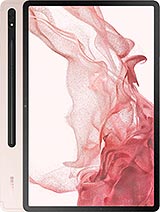
The Tab S8+ still shines brightest with its display. That 12.4-inch Super AMOLED panel, hitting 120Hz and HDR10+, remains a visual treat. Colors pop, blacks are inky deep, and scrolling is buttery smooth. For media consumption, drawing with the S Pen (not detailed here but a known accessory), or even light productivity, this screen provides an immersive canvas. Its thin 5.7mm profile and relatively light 567g (Wi-Fi) build still feel premium and make it comfortable to hold for extended periods. The 10090 mAh battery, coupled with 45W charging that gets you to full in just over an hour and a half, means you’re rarely tethered to an outlet. The dedicated microSDXC slot is also a huge win, offering unparalleled storage flexibility that many modern devices lack.
Performance & Daily Usage
Powering the experience is the Snapdragon 8 Gen 1. Back in 2022, this was a flagship chip. In 2026, it’s… adequate. For browsing, streaming, and most productivity apps, it’s perfectly fine. UI navigation is generally fluid, thanks to One UI 6.1.1 and the high refresh rate. However, pushing demanding games or heavy multitasking will reveal its age. Expect occasional stutters where newer chips would fly. Thermal management was decent for its time, but sustained heavy loads will likely warm up the back. It’s a reliable workhorse for everyday tasks, but don’t expect it to compete with 2026 flagships.
The Compromises
The biggest compromise, undoubtedly, is the age of its silicon. The Snapdragon 8 Gen 1, while capable, is now four generations old. This impacts everything from raw processing power to AI capabilities and future-proofing. The camera system, a 13MP wide and 6MP ultrawide on the back, and a 12MP ultrawide up front, was never its strong suit, and in 2026, it’s firmly in ‘just good enough’ territory for video calls and casual snaps. Don’t expect smartphone-level photography. Furthermore, while it launched with Android 12 and promised four major Android upgrades, its software support lifecycle is nearing its end, meaning fewer security patches and no new Android versions beyond what it’s already received. This older device also misses out on newer display technologies, more efficient chipsets, and potentially faster charging standards seen in 2026 tablets.
Is It Worth Buying?
In 2026, should you buy the Samsung Galaxy Tab S8+? Only if you find it at a significantly discounted price and your needs are specific. This tablet is for the user who primarily wants a large, beautiful screen for media consumption, light note-taking or drawing with the S Pen (if included), and basic productivity, without needing cutting-edge performance or the latest software features. If you’re on a tight budget and can snag one for under $400-500, it could still serve as a fantastic secondary device for entertainment. However, for anyone seeking a primary workhorse, future-proof performance, or the latest Android experience, newer options will undoubtedly offer a more compelling package.
Frequently Asked Questions (FAQs)
In 2026, the Snapdragon 8 Gen 1 is considerably outclassed by current flagship tablet processors. While it handles daily tasks and media consumption well, demanding applications, intensive multitasking, and modern gaming will reveal its age, with newer chips offering significantly better performance and power efficiency.
The Tab S8+ launched with Android 12 and received a commitment for four major Android upgrades. By 2026, it would have received its final major OS update (likely Android 16 or 17). Security updates will also likely be winding down or have ceased entirely, meaning it won't be as secure or feature-rich as newer devices.
Absolutely. The 12.4-inch Super AMOLED panel with 120Hz and HDR10+ support remains a strong selling point. While newer displays might offer slightly higher peak brightness or more advanced color calibration, the Tab S8+'s display still delivers an excellent visual experience for media consumption and general use in 2026.