
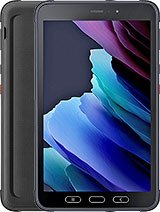
👍 Pros
- Removable 5050 mAh battery offers extended device longevity and field-swappable power.
- Exynos 9810 chipset, while older, provides sufficient processing power for many productivity tasks.
- IP68 rating (implied by 'Active' series) and MIL-STD-810G compliance (typical for Active series) for durability.
- Dedicated microSDXC slot allows for significant storage expansion.
- Android 13 upgradeability ensures continued software compatibility and security updates.
👎 Cons
- PLS LCD display technology is dated compared to modern AMOLED panels, impacting contrast and viewing angles.
- Lower 283 ppi density on an 8-inch screen results in less sharp visuals compared to contemporary tablets.
- Only 4GB RAM may lead to performance bottlenecks with multiple applications open in 2026.
- 15W wired charging is slow by 2026 standards, requiring longer charge times.
- Single 13 MP main camera and 5 MP selfie camera offer limited photographic capabilities in 2026.
Expert Review & Rating
Market Position in 2026
The Samsung Galaxy Tab Active3, released in 2020, now occupies a niche on the used and refurbished market, primarily appealing to users requiring a durable, field-ready tablet. Its hardware, while capable for basic tasks, is significantly outpaced by modern budget and mid-range alternatives in terms of display quality, processing efficiency, and camera performance.
The Best Features
The most compelling feature of the Galaxy Tab Active3 is its robust construction, designed for durability in challenging environments, which remains a key differentiator. The removable 5050 mAh battery is also a significant advantage, allowing users to swap out depleted batteries for fresh ones, extending operational time without needing a charger. Furthermore, its upgradeability to Android 13 ensures continued access to contemporary apps and security patches, providing a longer useful lifespan than many devices from its era.
The Compromises
The primary compromises lie in its display and overall performance. The PLS LCD panel, with its 283 ppi density, offers a less vibrant and sharp visual experience compared to the AMOLED screens common even in entry-level tablets today. The Exynos 9810 chipset, while competent for its time, will exhibit slower application loading and less fluid multitasking, especially with only 4GB of RAM, when running more demanding applications in 2026. The 15W charging speed will feel notably slow, and the 13 MP main camera and 5 MP selfie camera provide only basic image capture capabilities, falling short of current expectations for detail and low-light performance. Thermal management, given the 10nm process, might be less efficient than newer chipsets under sustained load, potentially leading to performance throttling.
Performance & Daily Usage
Based on the hardware, the Exynos 9810 chipset, despite its age, can handle routine tasks like web browsing, email, and light productivity applications. UI responsiveness may show occasional stutters, particularly when navigating complex interfaces or switching between several applications, due to the 4GB RAM. The 10nm manufacturing process suggests moderate power efficiency, but it won’t match the thermal performance of more modern, smaller-node chipsets under heavy use. The 5050 mAh battery, coupled with the PLS LCD, should still offer reliable all-day endurance for typical usage patterns. The display’s lower resolution will mean text and images are less crisp compared to newer devices. The camera system is best suited for documentation rather than high-quality photography.
Buying Advice
This tablet is a pragmatic choice for users prioritizing ruggedness and a removable battery for specific industrial or field applications on the used market. However, for general consumer use, individuals should seek newer alternatives that offer superior display technology, faster performance, and updated camera systems at a comparable price point in 2026.
Frequently Asked Questions (FAQs)
The Galaxy Tab Active3 is primarily worth considering in 2026 if its rugged design and removable battery are critical requirements for specific work environments. For general consumer use, its aging display, processor, and camera are significantly outclassed by newer, often similarly priced, budget tablets.
The Exynos 9810, a 10nm chip from 2020, provides sufficient power for basic tasks and light productivity in 2026. However, it will struggle with demanding applications, complex multitasking, and modern gaming, exhibiting slower load times and less fluid performance compared to current mid-range chipsets.