
👍 Pros
- Features a 10.5-inch OLED display, offering vibrant colors and deep blacks.
- Equipped with a dedicated microSDXC slot for expandable storage.
- Original design featured 4G LTE connectivity, a notable inclusion for its release period.
👎 Cons
- The Intel Atom Z3580 processor and Android 5.0 (Lollipop) operating system are significantly outdated for 2026, leading to substantial performance limitations and security vulnerabilities.
- The 7000 mAh battery, while substantial for its era, offers an estimated 10-12 hours of active use, which is below the endurance expectations for modern tablets and smartwatches in 2026.
- Lack of modern health sensors such as heart rate monitoring, SpO2, or ECG renders it unsuitable for contemporary health tracking requirements.
- Absence of an official water resistance rating limits its utility and durability in various environments, a standard feature in many current devices.
Comprehensive Review & Rating
Detailed Analysis
Design & Build
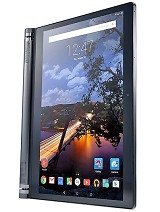
The Dell Venue 10 7000, originally released in 2015, presented a distinctive design with dimensions of 243.4 x 195.4 x 6.2 mm and a weight of 597 g. Its construction utilized premium materials, contributing to a refined aesthetic for its time. However, the absence of an official water resistance rating is a notable omission when evaluated against contemporary device standards in 2026, where such protection is increasingly common across various product categories.
Display & Performance
The device features a 10.5-inch OLED display with a resolution of 1600 x 2560 pixels, resulting in a pixel density of approximately 288 ppi. For its release year, this OLED panel offered excellent visual fidelity with deep blacks and vibrant colors. In 2026, while the OLED technology remains relevant, the resolution and pixel density are adequate but not class-leading. More critically, the performance is severely hampered by the Intel Atom Z3580 processor and Android 5.0 (Lollipop) operating system. This combination is profoundly outdated, leading to significant lag, incompatibility with modern applications, and potential security vulnerabilities, rendering the user experience unsatisfactory by current 2026 standards.
Health Tracking & Battery
Health tracking capabilities on the Dell Venue 10 7000 are limited to basic motion sensors including an accelerometer, compass, and proximity sensor. Crucially, it lacks any advanced health monitoring features such as heart rate tracking, SpO2 measurement, or ECG functionality, which are now standard expectations for smartwatches and even many tablets in 2026. The integrated 7000 mAh battery provided an estimated 10-12 hours of active use. While substantial for its original market, this battery life is considered modest in 2026, where users anticipate multi-day endurance from portable devices, particularly given advancements in power efficiency and battery technology.
Final Verdict
The Dell Venue 10 7000, at an estimated original market price of ~$499, represented a capable tablet in 2015. However, in 2026, its hardware, particularly the processor and operating system, is critically obsolete. The lack of modern health sensors and contemporary battery endurance further diminishes its relevance. Prospective buyers seeking a functional device for current applications and a secure, responsive user experience should consider contemporary alternatives, as the Venue 10 7000 no longer meets modern performance or feature expectations.
Frequently Asked Questions (FAQs)
💡 No, the Dell Venue 10 7000 is not suitable for everyday use in 2026. Its Intel Atom Z3580 processor and Android 5.0 (Lollipop) operating system are severely outdated, leading to poor performance, app incompatibility, and potential security risks.
💡 No, the Dell Venue 10 7000 only includes basic sensors like an accelerometer, compass, and proximity sensor. It lacks advanced health tracking features such as heart rate monitoring, SpO2, or ECG, which are common in modern devices.
💡 The Dell Venue 10 7000 features a 7000 mAh battery, providing an estimated 10-12 hours of active use. This duration is considered below average compared to contemporary devices in 2026.