
👍 Pros
- Robust cellular connectivity with extensive band support across multiple regions, ensuring broad network compatibility.
- High-brightness Retina LTPO OLED display with 2000 nits peak, offering excellent outdoor visibility.
- Comprehensive health monitoring suite including ECG, SpO2, and body temperature tracking.
- Durable construction featuring Ion-X strengthened glass and 50m water resistance, complemented by IP6X certification.
👎 Cons
- The 308 mAh battery capacity and approximately 18-hour battery life are notably below the extended endurance expectations for premium smartwatches in 2026.
- While functional, the dual-core CPU and PowerVR GPU, alongside the Apple S9 chipset, represent a mid-range performance profile when compared to the more advanced processors and graphics solutions prevalent in 2026 flagship wearables.
Comprehensive Review & Rating
Detailed Analysis
Design & Build
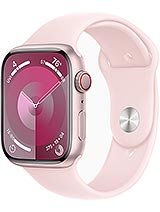
The Apple Watch Series 9 Aluminum presents a familiar and refined aesthetic. Its construction, featuring a glass front, ceramic/sapphire crystal back, and an aluminum frame, provides a balance of durability and premium feel. The Ion-X strengthened glass offers resilience against daily wear. With IP6X certification and 50m water resistance, the device is well-equipped for various environmental conditions, maintaining a high standard for physical robustness in the 2026 market.
Display & Performance
The 1.9-inch Retina LTPO OLED display, boasting a peak brightness of 2000 nits, continues to be a highlight. This ensures exceptional legibility even under direct sunlight, a critical feature for outdoor use. The resolution of 484 x 396 pixels provides a sharp visual experience. However, in 2026, while the Apple S9 SiP and its dual-core CPU deliver competent performance for watchOS 10 (with planned upgrades to watchOS 27), it does not match the raw processing power or graphical capabilities of the latest flagship smartwatch chipsets that have emerged in the intervening years. The responsiveness remains fluid for typical smartwatch tasks, but demanding applications or advanced AI features might reveal its limitations compared to contemporary high-end offerings.
Health Tracking & Battery
Health monitoring remains a core strength of the Apple Watch Series 9. Its comprehensive sensor array, including an accelerometer, gyroscope, heart rate monitor, barometer, always-on altimeter, compass, SpO2, VO2max, and body temperature sensor, provides a robust platform for health and fitness tracking. The ECG certification further enhances its medical utility. Conversely, the battery performance is a significant area of concern when evaluated against 2026 standards. The 308 mAh capacity, translating to approximately 18 hours of typical use, falls short of the multi-day battery life now expected from many premium smartwatches. This necessitates daily charging, which may be a drawback for users accustomed to longer endurance from their wearable devices.
Final Verdict
For 2026, the Apple Watch Series 9 Aluminum remains a competent smartwatch, particularly for users deeply integrated into the Apple ecosystem who prioritize comprehensive health tracking and a high-quality display. Its robust build and extensive connectivity options are commendable. However, its battery life and processor, while adequate, are no longer at the forefront of wearable technology. Prospective buyers in 2026 should weigh the excellent display and health features against the need for daily charging and a performance profile that, while still functional, is surpassed by newer, more powerful alternatives in the premium segment.
Frequently Asked Questions (FAQs)
💡 In 2026, the Apple Watch Series 9's approximate 18-hour battery life from its 308 mAh capacity is considered below average for premium smartwatches, many of which now offer multi-day endurance.
💡 While the Apple S9 SiP and dual-core CPU provide sufficient performance for watchOS and typical applications, its processing capabilities are not at the leading edge compared to the more advanced chipsets found in 2026's flagship smartwatches.
💡 The Apple Watch Series 9 offers extensive health tracking, including heart rate monitoring, SpO2 (blood oxygen), ECG, body temperature sensing, and activity metrics via its accelerometer and gyroscope.