
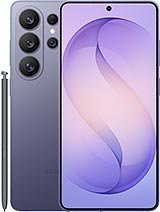

💡 Samsung Galaxy S26 Ultra vs. Xiaomi 15 Ultra: Gaming
For heavy gaming and heat management, the Samsung Galaxy S26 Ultra takes the lead. Its newer, more powerful chipset and GPU are designed to handle demanding titles with greater efficiency and less thermal throttling. While the Xiaomi 15 Ultra is a strong contender, the Samsung offers a slight edge for the most dedicated mobile gamers seeking top-tier, sustained performance.
The Quick Answer: Heavy Gaming & Heat Management
For heavy gaming and superior heat management, the device_0 is the stronger choice, primarily due to its more advanced processor and GPU. While device_1 offers a robust gaming experience, device_0's newer hardware provides a noticeable advantage in raw power and efficiency. This translates to smoother gameplay and potentially less thermal throttling during extended sessions.
Key Spec Differences for Heavy Gaming
The most significant difference for heavy gaming lies in the core processing units. Device_0 features the Qualcomm SM8850-1-AD Snapdragon 8 Elite Gen 5 chipset with an Adreno 840 GPU clocked at 1.3GHz. This is a newer generation chip compared to device_1's Qualcomm SM8750-AB Snapdragon 8 Elite, which houses an Adreno 830 GPU.
The newer generation chipset in device_0, specifically the Snapdragon 8 Elite Gen 5, implies architectural improvements designed for better performance and power efficiency, which directly impacts heat generation. While both phones offer substantial RAM options, with device_0 having up to 16GB and device_1 also offering 16GB, the underlying GPU power of device_0 is expected to handle graphically intensive games more adeptly.
How Each Phone Should Behave in Real Use for Gaming
Based on the listed specifications, device_0 should deliver a consistently smoother and more stable gaming experience, especially with the most demanding titles. The Snapdragon 8 Elite Gen 5 and Adreno 840 GPU are engineered to push higher frame rates and maintain them for longer periods, suggesting better heat dissipation and less performance degradation over time. This means less stuttering and more fluid visuals during extended gameplay sessions.
Device_1, with its Snapdragon 8 Elite and Adreno 830, will still offer excellent gaming performance for most users. However, in direct comparison to device_0, it might experience thermal throttling slightly sooner or at lower thresholds when pushed to its limits by the most graphically intensive games. The larger battery options in device_1 (up to 6000 mAh in the China version) could offer longer playtimes, but this doesn't directly address the peak performance and heat management capabilities of the chipset itself.
Who Should Buy Which Phone for Gaming Needs
Serious mobile gamers who prioritize the absolute best performance and want to ensure their device can handle future demanding titles with ease should lean towards device_0. Its cutting-edge processor and GPU are built for sustained high performance, making it ideal for competitive gaming or long play sessions. If you're a casual gamer or value longer battery life over peak, sustained performance, device_1 could still be a very strong option, especially with its larger battery capacity in certain regions.
Final Recommendation for Heavy Gaming & Heat Management
For heavy gaming and optimal heat management, device_0 is the clear winner on paper. Its newer Snapdragon 8 Elite Gen 5 and Adreno 840 GPU provide a superior foundation for sustained high-performance gaming. While device_1 is a capable device, device_0 offers that extra edge for the most demanding mobile gamers.
Pros and cons at a glance
Samsung Galaxy S26 Ultra
Pros
- Newer, more powerful Snapdragon 8 Elite Gen 5
- Higher clocked Adreno 840 GPU
- Larger display for immersive gaming
Cons
- Battery capacity is not the highest
- Charging speed is good, but not class-leading
Xiaomi 15 Ultra
Pros
- Large battery options (up to 6000 mAh)
- Very fast wired and wireless charging
- High PWM dimming for display comfort
Cons
- Slightly older generation Snapdragon 8 Elite
- Lower clocked Adreno 830 GPU
How we compared: scores are our analysis of the manufacturer-listed specifications for this priority, not lab measurements. Specs come from public spec databases and can vary by region or variant. Last updated: October 18, 2026.
Frequently Asked Questions
Which phone has a better processor for gaming?
The device_0 features the newer Qualcomm SM8850-1-AD Snapdragon 8 Elite Gen 5, which is a generation ahead of the Qualcomm SM8750-AB Snapdragon 8 Elite in device_1. This newer chip in device_0 is expected to offer superior gaming performance and efficiency.
How do the GPUs compare for heavy gaming?
Device_0 comes with the Adreno 840 GPU clocked at 1.3GHz, while device_1 has the Adreno 830. The Adreno 840 in device_0 is a more powerful and efficient GPU, which will translate to better graphics rendering and higher frame rates in demanding games.
Which phone is better at managing heat during gaming?
While specific heat management solutions are not detailed, the newer and more efficient chipset in device_0 (Snapdragon 8 Elite Gen 5) is designed to run cooler and sustain peak performance for longer. This suggests better heat management during heavy gaming compared to device_1's slightly older chipset.
Does battery size impact gaming performance or heat?
Battery size primarily impacts how long you can game, not directly the performance or heat management of the chipset itself. Device_1 offers larger battery options (up to 6000 mAh in China), which would allow for longer gaming sessions, but device_0's superior processing power still gives it an edge in raw performance.
Which phone is recommended for competitive mobile gaming?
For competitive mobile gaming where every frame and sustained performance matters, device_0 is the recommended choice. Its advanced chipset and GPU are better equipped to handle the demands of high-intensity games without significant performance drops over time.