
👍 Pros
- Large 6000 mAh battery capacity for extended usage
- Dedicated microSDXC slot for expandable storage
- Corning Gorilla Glass 5 front protection
- 3.5mm headphone jack retained
👎 Cons
- Exynos 850 (8 nm) chipset is significantly underpowered for 2026 standards
- PLS LCD display technology is dated compared to modern AMOLED panels
- Slow 15W wired charging speed
- Only 4G LTE connectivity, lacking 5G support in 2026
- Auxiliary lens on the rear camera setup offers limited utility
Expert Review & Rating
Market Position in 2026
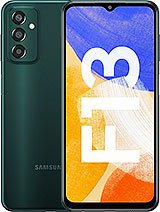
In 2026, the Samsung Galaxy F13 primarily exists as a budget-friendly option in the used or refurbished market. Its hardware, released in 2022, struggles to keep pace with the performance and feature sets of even entry-level smartphones available today.
Performance & Daily Usage
The Exynos 850 chipset provides basic functionality, suitable for light web browsing and messaging. UI responsiveness will likely be sluggish with modern Android applications. Thermal management is unlikely to be an issue given the chip’s modest power output.
The Compromises
The most significant compromise is the Exynos 850 processor, which delivers insufficient performance for 2026’s app ecosystem. The PLS LCD display, while offering decent resolution, lacks the contrast and vibrancy of modern AMOLED panels. The 15W charging speed for a 6000mAh battery is notably slow, leading to long charging cycles.
The Best Features
The standout feature is undeniably the large 6000 mAh battery, which, combined with the power-efficient (albeit weak) Exynos 850, suggests multi-day endurance for minimal usage. The 50 MP main camera, while not groundbreaking, can capture adequate photos in good lighting conditions for casual sharing, and the dedicated microSDXC slot provides valuable storage expansion, a feature often omitted in newer devices.
Buying Advice
This phone is a niche consideration for individuals seeking an absolute bare-bones secondary device or a first smartphone for a very young user with extremely limited demands, primarily for its battery life. Most users seeking a primary device, even on a tight budget, should explore newer alternatives in the refurbished or entry-level market that offer superior performance and modern features.
Frequently Asked Questions (FAQs)
No, the Samsung Galaxy F13 is generally not worth buying as a primary device in 2026 due to its severely outdated processor, slow charging, and lack of 5G connectivity. It might only be considered as an emergency backup phone or for extremely basic communication if found at a very low, almost negligible, price on the used market.
Based on the hardware, the 50 MP main camera with an f/1.8 aperture lacks optical image stabilization (OIS) and relies on an older sensor. This configuration suggests that its low-light performance would be poor, producing noisy and blurry images, especially compared to contemporary smartphone cameras.