
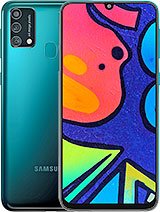
👍 Pros
- Large 6000 mAh battery capacity for extended usage
- Super AMOLED display offers vibrant colors and deep blacks
- Dedicated microSDXC slot allows for expandable storage
- 64 MP main camera sensor provides good detail in optimal lighting conditions
👎 Cons
- Exynos 9611 (10 nm) chipset is significantly outdated for 2026, impacting performance
- Only upgradable to Android 11, lacking modern software features and security updates
- 15W wired charging is slow compared to contemporary standards
- Plastic build materials offer less premium feel and durability compared to glass/metal
- No high refresh rate display, a common feature even in budget phones by 2026
Expert Review & Rating
Market Position in 2026
In 2026, the Samsung Galaxy F41 occupies a niche in the used and refurbished market, primarily appealing to users seeking a very budget-friendly smartphone with a large battery. Its hardware, released in 2020, is significantly dated compared to contemporary entry-level and mid-range devices.
Performance & Daily Usage
Based on the Exynos 9611 (10 nm) chipset, daily usage in 2026 would likely involve noticeable slowdowns for anything beyond basic communication and light browsing. UI responsiveness would be compromised due to the older processor and limited Android 11 software. Thermal management, while not a primary concern for a chip of this performance tier, would not be stressed by modern applications. The Mali-G72 MP3 GPU would struggle with any graphically intensive games released in the current year. The 6GB of RAM might mitigate some multitasking issues, but the processor remains a bottleneck.
The Compromises
The most significant compromise is the severely outdated Exynos 9611 chipset, which limits overall performance and software longevity. The device’s plastic build materials, while contributing to a lower price point, lack the durability and premium feel of glass or metal. The 15W charging speed is slow, especially for a 6000 mAh battery, requiring extended periods for a full charge. The lack of a high refresh rate display, a standard feature in many 2026 budget phones, is also a notable drawback.
The Best Features
The standout feature of the Galaxy F41 is its substantial 6000 mAh battery, which, even in 2026, would provide reliable multi-day endurance for light to moderate use, especially given the less power-hungry older chipset. The 6.4-inch Super AMOLED display, offering 420 nits peak brightness and a 1080 x 2340 pixel resolution, still delivers vibrant colors and deep blacks, providing a visually pleasing experience for media consumption, despite the standard 60Hz refresh rate. The 64 MP main camera, on paper, can capture detailed images in well-lit conditions, and the inclusion of a dedicated microSDXC slot is beneficial for users requiring expandable storage beyond the internal 64GB or 128GB.
Buying Advice
This smartphone is a suitable option for individuals on an extremely tight budget who prioritize battery life and a vibrant display for basic tasks on the used market. However, for users seeking modern performance, up-to-date software, or faster charging, newer budget alternatives in 2026 would offer a significantly better experience.
Frequently Asked Questions (FAQs)
The Samsung Galaxy F41 is only worth considering in 2026 for users with extremely limited budgets who prioritize a large battery and a Super AMOLED screen for basic communication and media consumption on the used market. Its outdated processor and software significantly limit its utility for modern applications.
In 2026, the Exynos 9611 (10 nm) chipset is significantly underpowered for current software demands. It would result in noticeable lag, slow app loading times, and an inability to smoothly run most contemporary applications or games, particularly those requiring significant processing power.