
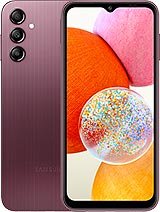
👍 Pros
- Large 6.6-inch display suitable for media consumption
- Dedicated microSDXC slot for expandable storage
- 5000 mAh battery capacity for extended usage
- Upgradable to Android 15, offering continued software support
- Competitive price point for a used device in 2026
👎 Cons
- PLS LCD display technology is dated compared to modern OLEDs
- Chipsets (Helio G80/Exynos 850) are significantly underpowered for 2026 standards
- Only 15W wired charging is slow by current standards
- Lack of optical image stabilization (OIS) on the main camera
- Plastic build materials may feel less premium
Expert Review & Rating
Market Position in 2026
In 2026, the Samsung Galaxy A14 operates exclusively in the budget segment of the used and refurbished market. Its hardware, while functional, has been significantly surpassed by modern entry-level smartphones.
The Compromises
The primary compromises of the Galaxy A14 are its dated PLS LCD display technology, which lacks the contrast and vibrancy of current OLED panels, and its underpowered chipsets (Helio G80/Exynos 850). These processors were entry-level in 2023 and struggle with the demands of 2026’s operating systems and applications. The 15W charging speed is notably slow, requiring extended periods for a full charge. Furthermore, the plastic build, while durable, does not offer a premium feel. The camera system, while featuring a 50MP main sensor, lacks optical image stabilization (OIS) and advanced computational photography features common in more recent devices, limiting its performance in challenging lighting conditions.
The Best Features
The Galaxy A14’s strongest selling point is its substantial 5000 mAh battery capacity, which, even in 2026, should provide reliable all-day endurance for light to moderate usage. The inclusion of a dedicated microSDXC slot is a significant advantage, allowing users to easily expand storage without sacrificing a second SIM slot. The large 6.6-inch display, despite being PLS LCD, offers an ample canvas for media consumption and basic browsing, and the phone’s ability to upgrade to Android 15 ensures continued compatibility with current applications and security updates.
Performance & Daily Usage
Based on the hardware, daily usage in 2026 will likely be characterized by noticeable delays in application loading and navigation. The Helio G80 or Exynos 850 chipsets, being 12nm and 8nm respectively, are not designed for demanding tasks. UI responsiveness will be adequate for basic operations but may exhibit stutters with multiple apps open or during intensive browsing. Thermal management for these older, lower-power chips should not be a significant concern for typical usage. The 50MP main camera, while offering a decent pixel count, will produce acceptable photos in good lighting but will likely struggle with detail and noise in low-light environments due to the lack of OIS and advanced processing. The 1080p@30fps video recording is standard but not exceptional. The 5000mAh battery, paired with the relatively inefficient chipsets, still suggests good longevity for a device of its class.
Buying Advice
The Samsung Galaxy A14 is a viable option in 2026 for those seeking an ultra-budget secondary phone or a device for extremely light usage on the used market. However, users expecting smooth performance, modern display quality, or rapid charging should consider newer, albeit slightly more expensive, entry-level alternatives.
Frequently Asked Questions (FAQs)
In 2026, the Samsung Galaxy A14 is primarily worth considering as an ultra-budget option on the used or refurbished market for basic communication, media consumption, and light internet browsing. Its hardware is significantly dated compared to modern phones, but the large battery and expandable storage remain practical for specific use cases.
Based on the specifications, the 50 MP main camera and 13 MP selfie camera, without optical image stabilization (OIS) or advanced low-light processing capabilities, will likely struggle to produce high-quality images in challenging low-light conditions. Expect noticeable noise and a lack of detail in such environments.