
👍 Pros
- Durable aluminum back and plastic frame
- Dedicated microSDXC slot for expandable storage
- Long-lasting 5100 mAh battery
- Compact and lightweight design for portability
- Affordable entry-level price point
👎 Cons
- Underpowered Snapdragon 429 chipset
- Low-resolution TFT LCD display with poor pixel density
- Minimal RAM (2GB/3GB) limits multitasking
- Outdated Android 9.0 (Pie) with limited upgrade path
- Subpar 2 MP front camera
Expert Review & Rating
Quick Overview
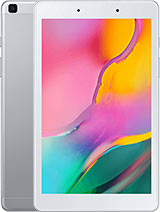
The Samsung Galaxy Tab A 8.0 (2019) was designed for the budget-conscious consumer seeking a basic media consumption and light productivity device. It targets users who prioritize portability, battery life, and affordability over raw power or premium features. Think casual browsing, e-reading, and streaming content on the go – that’s its sweet spot.
The Best Features
Despite its age, the Tab A 8.0 (2019) offered a few compelling attributes for its initial price point. The 5100 mAh battery was a genuine strong suit, providing impressive endurance for extended usage, which is crucial for a portable device. Its compact 8-inch form factor, coupled with a lightweight 345g (Wi-Fi) or 347g (LTE) chassis, made it exceptionally easy to handle with one hand and slip into a small bag. The aluminum back panel gave it a slightly more premium feel than its all-plastic contemporaries. Furthermore, the inclusion of a dedicated microSDXC slot was a user-friendly decision, allowing for easy and affordable storage expansion, a significant benefit for media hoarders.
The Compromises
Here’s where the reality check hits hard. To achieve its aggressive price, Samsung made significant compromises. The TFT LCD display, with its 800 x 1280 pixel resolution and a paltry ~189 ppi density, is objectively poor. Colors are washed out, viewing angles are limited, and individual pixels are easily discernible. Performance is another major bottleneck; the Qualcomm Snapdragon 429 chipset was entry-level even in 2019, and in 2026, it’s severely underpowered. Paired with only 2GB or 3GB of RAM, multitasking is a frustrating exercise in patience. The cameras – an 8 MP rear and a 2 MP front – are barely functional beyond basic document scans or extremely low-quality video calls. Software support is also a major concern, having launched on Android 9.0 Pie and only receiving upgrades to Android 11, it’s now several generations behind.
Performance & Daily Usage
In 2019, the Tab A 8.0 was sluggish. In 2026, it’s a test of endurance. UI navigation is choppy. App launch times are extended. Switching between apps causes frequent reloads. Thermal management isn’t an issue because the chip never generates enough heat to matter. Light web browsing is tolerable. Streaming standard definition video works. Anything beyond that, like modern social media apps or even basic games, will be a struggle. Expect significant lag and frustration.
Is It Worth Buying?
No. Absolutely not. In 2026, the Samsung Galaxy Tab A 8.0 (2019) is an obsolete piece of technology. Its anemic processor, low-resolution display, and outdated software make it a completely unviable option for purchase today, even at a rock-bottom price. Save your money for a more modern, even entry-level, tablet released within the last two years.
Frequently Asked Questions (FAQs)
Its Snapdragon 429 processor and 2GB/3GB RAM are severely underpowered for modern applications and operating systems. Expect significant lag, slow app loading, and poor multitasking capabilities in 2026.
The 800 x 1280 pixel TFT LCD display with only ~189 ppi density is poor by today's standards. It lacks sharpness, color vibrancy, and good viewing angles, making it a subpar experience for media consumption in 2026.
The 8 MP rear camera and 2 MP front camera are extremely basic. They are suitable only for very casual use in ideal lighting conditions and will produce low-quality images and video, especially compared to contemporary devices.
No. The device launched with Android 9.0 Pie and officially upgraded to Android 11. It will not receive any further major Android version updates or security patches in 2026, posing potential security risks and compatibility issues with new apps.