
👍 Pros
- Solid build quality for its class
- Expandable storage via microSDXC
- Decent battery life for casual use
- Affordable entry point at launch
- Relatively compact and light for a 10-inch tablet
👎 Cons
- Outdated processor in 2026
- Limited RAM options, especially 2GB
- TFT LCD display lacks vibrancy
- Poor camera performance
- Stuck on Android 11, no further updates
Expert Review & Rating
Quick Overview
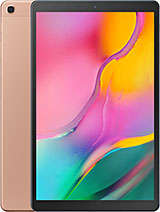
The Samsung Galaxy Tab A 10.1 (2019) was, and still is, a quintessential budget Android tablet. It aimed squarely at the entry-level market, offering a large screen experience without breaking the bank.
The Best Features
For its intended audience, the Tab A 10.1 offered a few compelling attributes. The 10.1-inch display, despite being a TFT panel, provided ample screen real estate for media consumption. This was undeniably its primary draw – a big screen for watching videos, browsing the web, or light reading. The aluminum back and frame lent a surprisingly premium feel, a definite step up from the all-plastic competitors of its era. Furthermore, the inclusion of a dedicated microSDXC slot was a huge win, allowing users to significantly expand the rather limited internal storage options. For a tablet designed for casual use, the 6150 mAh battery delivered respectable endurance, easily lasting through a few movies or a day of intermittent browsing.
Performance & Daily Usage
Driving the Tab A 10.1 was the Exynos 7904. In 2019, it was adequate for basic tasks. Opening apps was fine. Web browsing was generally smooth. Light gaming worked. But push it, even slightly, and it stuttered. UI responsiveness was okay for the time, running Android 9.0 Pie, later updated to Android 11 with One UI 3.0. Thermal management wasn’t an issue; the tablet rarely got hot, mostly because the chipset wasn’t powerful enough to generate significant heat. In 2026, however, this performance is severely lacking. Apps load slowly. Multitasking is a chore. It’s a test of patience.
The Compromises
This tablet was a masterclass in compromise. The TFT LCD display, while large, offered muted colors and limited viewing angles compared to AMOLED or even better IPS panels. The 224 ppi density was just okay, showing individual pixels if you looked closely. The camera setup – an 8 MP main and 5 MP selfie – was purely functional; photos were soft, lacked detail, and struggled in anything but perfect lighting. But perhaps the biggest compromise, especially looking back from 2026, was the limited RAM. The 2GB and 3GB RAM variants are practically unusable with modern Android apps. Even the 128GB/3GB model would struggle immensely with anything beyond the most basic tasks. The 14nm Exynos 7904, while efficient, was never a powerhouse, and its age is brutally apparent today. Finally, being stuck on Android 11 means no access to newer features, security updates, or app compatibility optimizations.
Is It Worth Buying?
No. Absolutely not. In 2026, buying a Samsung Galaxy Tab A 10.1 (2019) would be a severe mistake. While it was a decent budget tablet *at its launch*, its performance, display technology, limited RAM, and outdated software make it practically obsolete for most modern use cases. If you’re in the market for a tablet today, consider newer budget options from Samsung’s current Tab A series or even entry-level iPads. For a similar price point, you could find significantly more capable refurbished devices from just a couple of years ago. This tablet belongs in a tech museum, not in your shopping cart.
Frequently Asked Questions (FAQs)
While it can technically run streaming apps, the outdated processor and limited RAM will lead to slow loading times, potential stuttering, and a generally frustrating experience, especially with higher resolution content. The TFT display also won't do justice to modern content's visuals.
For very basic tasks like checking emails or simple document viewing, it might suffice if you have extreme patience. However, anything involving multiple tabs, video conferencing, or even slightly demanding productivity apps will be a struggle due to the severely underpowered hardware and lack of software updates.
While the 6150 mAh capacity was respectable for its time, battery degradation over seven years is a real concern. Even if the battery holds up, the inefficient older software and hardware, combined with modern app demands, will likely result in significantly shorter actual usage times compared to its launch performance.