
👍 Pros
- Robust build with IP68 and 5 ATM water resistance, suitable for various environments
- High peak brightness AMOLED display ensures excellent outdoor visibility
- Impressive battery life rated for up to 14 days on a single charge
👎 Cons
- Lack of cellular connectivity limits standalone functionality compared to many 2026 smartwatches
- Limited internal storage and RAM may restrict advanced application performance and multitasking capabilities in 2026
- Processor details are not specified beyond 'Wearable Processor', making it difficult to assess its competitive standing in 2026
Comprehensive Review & Rating
Detailed Analysis
Design & Build
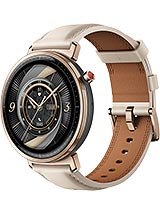
The Honor Watch GS 5 presents a refined aesthetic with its 44 x 44 x 9.9 mm dimensions and a remarkably light 26 g weight. Its construction integrates a glass front, polymer fiber frame and back, complemented by an aluminum bezel, contributing to both durability and a premium feel. The device is engineered for resilience, featuring IP68 dust and water resistance, allowing submersion up to 1.5 meters for 30 minutes, alongside 5 ATM water resistance. Compatibility with standard 22mm straps offers users customization flexibility.
Display & Performance
The 1.32-inch AMOLED display is a notable feature, offering a sharp 466 x 466 pixel resolution, equating to approximately 352 ppi. With a peak brightness of 1500 nits, the screen maintains excellent legibility even in direct sunlight, a crucial attribute for outdoor use in 2026. Running on MagicOS 9, the smartwatch’s performance is driven by an unspecified ‘Wearable Processor’. While MagicOS 9 provides a streamlined user experience, the limited 4GB internal storage and 32MB RAM are modest by 2026 standards, potentially impacting the responsiveness and multitasking capabilities for more demanding applications. The absence of cellular connectivity is a significant limitation, as many contemporary smartwatches in 2026 offer integrated eSIM functionality for enhanced independence from a smartphone.
Health Tracking & Battery
For health and fitness monitoring, the Honor Watch GS 5 incorporates an accelerometer, gyroscope, heart rate monitor, compass, and SpO2 sensor. This suite of sensors provides comprehensive data for activity tracking, navigation, and vital sign monitoring. The device is equipped with a 495 mAh battery, delivering an impressive estimated battery life of up to 14 days. This extended endurance is a substantial advantage, minimizing the frequency of charging and enhancing user convenience, particularly when compared to many smartwatches in 2026 that often require daily or bi-daily charging.
Final Verdict
Released in January 2026, the Honor Watch GS 5 offers a compelling combination of robust build quality, a vibrant AMOLED display, and exceptional battery life at an estimated price of ~$299. Its comprehensive health tracking features are competitive. However, the absence of cellular connectivity and the relatively modest internal memory and RAM specifications position it as a more basic smartwatch in the 2026 market. For users prioritizing extended battery life and core fitness tracking without the need for advanced standalone features or extensive third-party application support, the GS 5 represents a practical choice. Those seeking cutting-edge performance, integrated cellular capabilities, and greater app versatility may find its hardware limitations noticeable against current 2026 offerings.
Frequently Asked Questions (FAQs)
💡 The Honor Watch GS 5 lacks cellular connectivity, meaning it cannot make calls or access data independently without a paired smartphone. This is a notable limitation compared to many 2026 smartwatches that offer integrated eSIM functionality.
💡 With a 495 mAh battery providing up to 14 days of life, the Honor Watch GS 5 offers significantly longer endurance than many smartwatches available in 2026, which often require charging every 1-2 days.
💡 Yes, the Honor Watch GS 5 is rated for 5 ATM water resistance and IP68 dust and water resistance, making it suitable for swimming and immersion up to 1.5 meters for 30 minutes.