
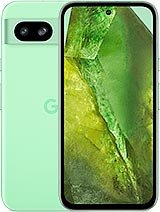
👍 Pros
- The OLED display with 120Hz refresh rate and 2000 nits peak brightness offers a visually engaging experience for its class.
- The Google Tensor G3 chipset, while not bleeding edge in 2026, provides a solid foundation for daily tasks and benefits from Google's software optimizations.
- Google's commitment to 7 major OS updates means this device, launched with Android 14, is theoretically supported up to Android 21, offering exceptional longevity for a budget-conscious device.
👎 Cons
- The use of Gorilla Glass 3 for display protection is a notable compromise, offering less scratch and drop resistance compared to newer Gorilla Glass iterations.
- The 18W wired charging speed is relatively slow, especially when compared to many contemporary smartphones, leading to longer charge times.
- The plastic back, while contributing to a lower cost, may feel less premium and be more susceptible to scratches than glass or metal alternatives.
Expert Review & Rating
Market Position in 2026
In 2026, the Google Pixel 8a, released in May 2024, transitions from a new contender to a seasoned option, particularly in the used market. Its continued software support, projected up to Android 21, makes it a logical choice for budget-conscious buyers prioritizing long-term usability over cutting-edge hardware. For those seeking a reliable smartphone experience without the premium price tag of current flagships, the 8a still holds relevance, especially if found at a depreciated price.
Strengths on the Spec Sheet
The Pixel 8a’s OLED display is a significant asset. With a 120Hz refresh rate and a peak brightness of 2000 nits, it offers fluid scrolling and excellent outdoor visibility, which is a strong characteristic for a device in its original price bracket. The inclusion of the Google Tensor G3 chipset, while two generations old in 2026, still provides a capable processing foundation. This chip, designed by Google, is optimized for the Pixel experience, theoretically ensuring smooth operation for everyday applications and Google’s AI features. Furthermore, Google’s commitment to seven years of major OS updates is a substantial advantage, extending the phone’s functional lifespan considerably beyond many competitors.
Technical Trade-offs
To achieve its price point, Google made some clear technical trade-offs. The use of Corning Gorilla Glass 3 for display protection is a notable compromise. This older generation of glass offers less resistance to scratches and drops compared to the newer Gorilla Glass versions found on more expensive devices, potentially leading to increased susceptibility to damage over time. The charging speed, capped at 18W wired and 7.5W wireless, is another area where the device shows its budget-conscious nature. In 2026, where faster charging solutions are common, these speeds will result in longer charging cycles, which could be inconvenient for users needing quick power-ups. Lastly, the plastic back, while durable in some respects, lacks the premium feel and scratch resistance of glass or metal, which might affect the perceived build quality for some users.
Hardware & Performance Analysis
Based on the hardware, the Google Tensor G3 (4 nm) chipset, with its Nona-core CPU architecture, is designed for a balance of performance and efficiency. The inclusion of a powerful Cortex-X3 core suggests it can handle demanding tasks, while the array of Cortex-A715 and Cortex-A510 cores would manage background processes and everyday usage efficiently. The Mali-G715 MP7 GPU provides the graphical horsepower for most mobile games and media consumption without significant issues. With 8GB of RAM, the device should theoretically manage multitasking effectively, keeping several applications open without frequent reloads. While not a top-tier performer by 2026 standards, its integration with Google’s software ecosystem means it’s likely optimized for a consistent user experience rather than raw benchmark scores.
Buying Advice & Verdict
The Pixel 8a’s exceptional software longevity is its absolute best technical feature, contrasting sharply with its comparatively slow 18W wired charging speed. In 2026, as a used market option, it represents a practical choice for users prioritizing extended software support and a capable camera system on a budget. If you can find it at a significantly reduced price, its long-term update promise makes it a compelling value proposition, despite its charging limitations and older display protection.
Frequently Asked Questions (FAQs)
While the display and chipset are solid for the price, the Pixel 8a does cut corners with Gorilla Glass 3, which isn't as durable as newer versions. Also, the 18W wired charging is on the slower side, meaning you'll be waiting longer for a full charge compared to many other phones, even some in its original price bracket.
The 64 MP main camera, with its f/1.9 aperture and OIS, is well-equipped for capturing detailed images, and Google's computational photography, including features like Pixel Shift and Ultra HDR, is designed to enhance image quality across various conditions. For social media, the 13 MP ultrawide front camera is suitable. While it won't match the low-light performance of a flagship phone in 2026, based on its hardware and Google's software, it should deliver reliable and pleasing results for most users, including decent performance in challenging lighting.