
👍 Pros
- Integrated heart rate monitoring for basic fitness tracking
- Robust 5 ATM water resistance suitable for swimming and water exposure
- Relatively lightweight at 88g for a hybrid smartwatch
👎 Cons
- Proprietary OS limits app ecosystem and customization compared to modern smartwatches
- LCD display technology and 240×240 resolution are significantly outdated by 2026 standards, impacting visual clarity and vibrancy
- Limited sensor suite, lacking advanced health features common in 2026 such as SpO2, ECG, or GPS
- Bluetooth 4.2 offers slower data transfer and potentially less stable connections than contemporary Bluetooth standards
- Battery life of approximately 5 days, while decent for its era, is surpassed by many modern smartwatches offering weeks of endurance or more advanced features with similar longevity
Comprehensive Review & Rating
Detailed Analysis
Design & Build
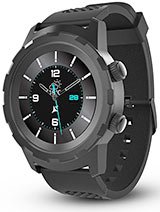
The Allview Allwatch Hybrid T, launched in 2018, presents a substantial form factor with dimensions of 50.6 x 44 x 14.6 mm and a weight of 88g. Its construction utilizes premium materials, contributing to a robust feel. A notable feature is its 5 ATM water resistance, making it suitable for aquatic activities. While the physical design is generally solid, its dimensions are on the larger side compared to the more streamlined profiles of many contemporary smartwatches in 2026.
Display & Performance
The device features a 1.22-inch LCD display with a resolution of 240 x 240 pixels, resulting in a pixel density of approximately 278 ppi. In 2026, this display technology is considerably outdated. Modern smartwatches predominantly utilize AMOLED or OLED panels, offering superior contrast, color reproduction, and energy efficiency. The resolution is also low by current standards, leading to a less sharp visual experience and noticeable pixelation. The proprietary operating system, while optimized for the wearable, inherently limits the availability of third-party applications and advanced functionalities that users expect from a smartwatch in the current technological landscape. The responsiveness, while adequate for its original release, would likely feel sluggish compared to the fluid interfaces of 2026 devices.
Health Tracking & Battery
Health tracking capabilities on the Allview Allwatch Hybrid T are limited to an accelerometer for basic activity monitoring and a heart rate monitor. This sensor suite is rudimentary when evaluated against 2026 expectations, where comprehensive health tracking often includes SpO2, ECG, skin temperature, and advanced sleep analysis. The 200 mAh battery provides an estimated life of approximately 5 days. While this was respectable in 2018, many contemporary smartwatches in 2026 offer significantly extended battery life, often weeks, even with more advanced features and always-on displays, rendering the Allwatch Hybrid T’s endurance merely average by today’s standards.
Final Verdict
The Allview Allwatch Hybrid T, originally released in 2018, was a competent hybrid smartwatch for its time. However, when assessed against the technological advancements of 2026, its hardware, software, and feature set are largely obsolete. The LCD display, proprietary OS, limited sensor array, and Bluetooth 4.2 connectivity fall short of current industry benchmarks. While its 5 ATM water resistance and basic heart rate monitoring offer some utility, prospective buyers in 2026 seeking a modern smartwatch experience with comprehensive health tracking, a vibrant display, and a rich app ecosystem should consider more contemporary alternatives. Its estimated price of ~$199, while not exorbitant, does not justify the outdated specifications in today’s market.
Frequently Asked Questions (FAQs)
💡 While it uses Bluetooth 4.2 for connectivity, its proprietary OS and age may result in limited or no compatibility with the latest versions of iOS or Android, potentially hindering full functionality or reliable pairing.
💡 Based on the provided specifications, the Allview Allwatch Hybrid T lacks NFC for contactless payments and an integrated GPS module, features that are standard in many smartwatches by 2026.
💡 The primary limitation is its 1.22-inch LCD display with a 240×240 resolution. In 2026, this technology is superseded by AMOLED/OLED panels offering superior color accuracy, contrast, and significantly higher resolutions, resulting in a less vibrant and less sharp visual experience on the Allwatch Hybrid T.