
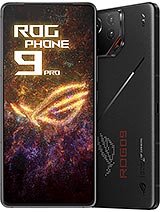

💡 Asus ROG Phone 9 Pro vs. Xiaomi Poco F9 Ultra for Gaming
For serious gamers, the Asus ROG Phone 9 Pro stands out due to its specialized hardware and software optimizations. While the Xiaomi Poco F9 Ultra offers a newer chipset and a larger battery, it doesn't match the dedicated gaming features of the ROG Phone. The ROG Phone 9 Pro is clearly designed from the ground up with heavy gaming and heat management in mind, making it the superior choice.
The Quick Answer: Heavy Gaming & Heat Management
For heavy gaming and superior heat management, the Asus ROG Phone 9 Pro (device_0) is the stronger contender. Its specialized gaming chipset and higher display refresh rate are key advantages. While the Xiaomi Poco F9 Ultra (device_1) boasts a newer processor and larger battery, it lacks the dedicated gaming-centric features of its rival.
Key Spec Differences for Heavy Gaming & Heat Management
The core difference lies in their processing power and display capabilities. Device_0 features the Qualcomm SM8750-AB Snapdragon 8 Elite (3 nm) chipset with an Adreno 830 GPU, while device_1 is equipped with the newer Qualcomm SM8850-AC Snapdragon 8 Elite Gen 5 (3 nm) and an Adreno 840 GPU. On paper, device_1's newer generation chipset and GPU should offer a performance edge for demanding games, potentially leading to higher frame rates and better graphical fidelity.
However, device_0 compensates with a display optimized for gaming: a 185Hz LTPO AMOLED panel compared to device_1's 185Hz AMOLED. Both offer the same refresh rate, which is excellent for smooth visuals. Device_0 also lists a significantly faster 670Hz PWM dimming, which can reduce eye strain during long gaming sessions. For heat management, while specific cooling solutions aren't detailed, the ROG series is known for its advanced thermal designs, which is implied by its 'gaming phone' branding and the specific 'Elite' chipset variant.
How Each Phone Should Behave in Real Use for Gaming
Based on the listed specifications, device_0 should provide an exceptionally smooth and comfortable gaming experience. Its powerful Snapdragon 8 Elite chipset, combined with the 185Hz display, means games will run fluidly with minimal stuttering. The mention of the 'Elite' variant often implies optimizations for sustained performance, which is crucial for heavy gaming sessions without throttling. The 3.5mm jack also allows for latency-free wired audio, a small but important detail for competitive gamers.
Device_1, with its newer Snapdragon 8 Elite Gen 5 chipset and Adreno 840 GPU, is expected to deliver raw power, potentially outperforming device_0 in benchmark scores like GeekBench (10500 vs 10179). This means it should handle the most graphically intensive games with ease. However, without specific gaming-focused features or detailed cooling system information, its sustained performance under heavy load and heat management capabilities are less clear compared to device_0's established gaming pedigree. The larger 8050 mAh battery, however, would allow for significantly longer gaming sessions on a single charge.
Who Should Buy Which Phone for Gaming
Serious mobile gamers who prioritize a dedicated gaming experience, including optimized software, potentially superior sustained performance due to advanced cooling, and features like a 3.5mm headphone jack, should lean towards the Asus ROG Phone 9 Pro (device_0). Buyers looking for the absolute latest in raw processing power and an exceptionally long battery life for gaming, and who might be less concerned with explicit gaming-specific features, would find the Xiaomi Poco F9 Ultra (device_1) more appealing. Device_0 is for the enthusiast, while device_1 offers high performance in a more general flagship package.
Final Recommendation for Heavy Gaming
Considering heavy gaming and heat management, the Asus ROG Phone 9 Pro (device_0) is the recommended choice. Its heritage as a gaming phone, combined with a high refresh rate display and a chipset designed for sustained performance, makes it ideal. While the Xiaomi Poco F9 Ultra (device_1) offers a newer chipset and a massive battery, device_0's overall package is more tailored for the demanding mobile gamer.
Pros and cons at a glance
Asus ROG Phone 9 Pro
Pros
- Dedicated gaming chipset (Snapdragon 8 Elite)
- Higher 185Hz display for smoother gameplay
- Gimbal OIS for stable video recording
- 3.5mm headphone jack for wired audio
- Faster 670Hz PWM dimming for eye comfort
Cons
- Older chipset generation
- Smaller battery capacity (5800 mAh)
Xiaomi Poco F9 Ultra
Pros
- Newer, more powerful Snapdragon 8 Elite Gen 5 chipset
- Significantly larger 8050 mAh battery
- Higher peak display brightness (4500 nits)
- Faster 100W wired charging
- Ultrasonic fingerprint sensor
Cons
- No 3.5mm headphone jack
- Lower display refresh rate (185Hz, same as ROG)
- Less gaming-focused design and features
How we compared: scores are our analysis of the manufacturer-listed specifications for this priority, not lab measurements. Specs come from public spec databases and can vary by region or variant. Last updated: أكتوبر 23, 2026.
Frequently Asked Questions
Which phone has better gaming performance benchmarks?
Based on the listed GeekBench v6 scores, device_1 (Xiaomi Poco F9 Ultra) has a slightly higher score of 10500 compared to device_0 (Asus ROG Phone 9 Pro) at 10179. This suggests device_1 offers a marginal edge in raw CPU performance.
How do these phones handle heat during long gaming sessions?
Specific heat management details are not listed for either device, but the Asus ROG Phone 9 Pro series is known for its advanced cooling systems. Device_0's 'Elite' chipset variant also implies optimizations for sustained performance, which is crucial for heat management during heavy gaming.
Which phone offers a smoother display for gaming?
Both devices feature a 185Hz refresh rate display, which is excellent for smooth gaming visuals. Device_0 (Asus ROG Phone 9 Pro) also boasts a very high 670Hz PWM dimming, which can contribute to a more comfortable viewing experience during extended play.
Which phone has a longer battery life for gaming?
The Xiaomi Poco F9 Ultra (device_1) has a significantly larger 8050 mAh battery, compared to the 5800 mAh battery in the Asus ROG Phone 9 Pro (device_0). This suggests device_1 would offer substantially longer gaming sessions on a single charge.
Does either phone have a 3.5mm headphone jack for gaming audio?
Yes, the Asus ROG Phone 9 Pro (device_0) explicitly lists a 3.5mm jack, which is beneficial for gamers who prefer wired headphones for low-latency audio. The Xiaomi Poco F9 Ultra (device_1) does not list a 3.5mm jack.