
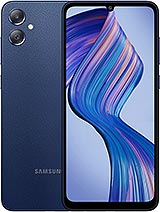
👍 Pros
- Eco-leather back for premium feel
- Dedicated microSDXC slot
- Long-lasting 5000 mAh battery
- Affordable price point
- Two major Android updates
👎 Cons
- Low resolution PLS LCD display
- Outdated Mediatek Helio G85 chipset in 2026
- Only 4GB RAM, limiting multitasking
- Basic camera setup with auxiliary lens
- Slow 25W wired charging
Expert Review & Rating
Quick Overview
The Samsung Galaxy F05, even in 2026, is clearly aimed at the absolute budget-conscious user, someone who needs a smartphone for core communication, light social media, and basic media consumption without breaking the bank. It’s for the individual who prioritizes battery life and a large screen over bleeding-edge performance or a pristine display. Think of it as a reliable, no-frills daily driver for a student or an elder, or perhaps a secondary device.
The Compromises
Let’s be brutally honest: the Galaxy F05 is a masterclass in compromise. The PLS LCD display, at a meager 720p resolution across 6.7 inches, delivers a pixel density of just 262 ppi. Text isn’t sharp, images lack detail, and watching high-definition content is a non-starter. This screen feels like a relic from half a decade ago. Then there’s the Mediatek Helio G85 chipset. In 2024, it was entry-level. In 2026, it’s significantly underpowered, struggling with anything beyond the most basic tasks. Paired with only 4GB of RAM, multitasking is a frustrating exercise in patience. The ‘auxiliary lens’ on the main camera is almost certainly a marketing gimmick, adding little to no practical value, and the 25W charging is far from fast by today’s standards. This phone cuts corners everywhere deemed ‘non-essential’ for its target audience.
The Best Features
Despite its numerous compromises, the F05 does have a few redeeming qualities. The 5000 mAh battery is a genuine highlight, easily pushing past a full day of moderate use, and for its target demographic, this is often a top priority. You’re not constantly hunting for a charger. The 6.7-inch display, while low-res, provides a large canvas, which can be beneficial for those with visual impairments or simply prefer more screen real estate for reading. The inclusion of an eco-leather back is a surprisingly premium touch at this price point, offering a better in-hand feel than typical budget plastics. Furthermore, the dedicated microSDXC slot is a welcome feature, allowing users to expand the limited 64GB internal storage without sacrificing a second SIM card slot. Samsung’s promise of two major Android upgrades means it launched with Android 14 and should see Android 15 and 16, offering some future-proofing on the software front.
Performance & Daily Usage
Performance on the Galaxy F05 is, to put it mildly, pedestrian. The Helio G85 struggles. UI animations are choppy. App launch times are noticeable. Switching between apps is slow. Forget about demanding games; even casual titles will push this hardware to its limits. Thermal management isn’t a major concern because the chip rarely gets stressed enough to generate significant heat. This isn’t a phone for power users. It’s for calls, texts, light web browsing, and basic social media. One UI Core 6.0, being a lighter version of Samsung’s skin, helps, but it can’t magically overcome the hardware limitations.
Is It Worth Buying?
In 2026, the Samsung Galaxy F05 is a tough sell, even at its original 90 EUR price point. If you absolutely need a brand-new phone for less than 100 EUR, and your usage is restricted to calls, messaging, and perhaps a bit of YouTube, then it *could* be considered. However, the display and processor are severely outdated by current standards. This phone is only for the most extremely budget-constrained user who prioritizes battery life and screen size above all else, and who understands they are purchasing a device that was entry-level two years ago. For almost anyone else, even a slightly used phone from 2024 or an entry-level device from 2025 would offer a significantly better experience for a comparable price.
Frequently Asked Questions (FAQs)
In 2026, the Helio G85 is very much a legacy chip. It will handle messaging and basic web browsing, but expect noticeable lag and slow app loading. Multitasking will be a significant challenge, and even light apps may feel sluggish.
For most users, yes. The low resolution results in visible pixelation, making text less sharp and images appear soft. If you're used to anything above 1080p, this display will be a major step down and potentially fatiguing for extended use.
The eco-leather back primarily offers a more premium tactile feel and potentially better grip than standard plastic. It's a nice aesthetic touch that helps the phone feel a bit more substantial, but it doesn't impact performance or durability significantly.
With 4GB RAM and One UI Core, you'll be limited to 2-3 active apps before the system starts aggressively closing background processes. Switching frequently between apps like social media and a browser will often result in app reloads.