
👍 Pros
- High capacity 6000 mAh battery suggests extended usage times.
- Super AMOLED display provides vibrant colors and good contrast.
- Dedicated microSDXC slot offers flexible storage expansion.
- 90Hz refresh rate delivers smoother scrolling compared to 60Hz panels.
- Upgradable to Android 13, extending software longevity somewhat.
👎 Cons
- Mediatek Helio G80 (12 nm) chipset is significantly underpowered for 2026 standards.
- 720p display resolution results in a lower pixel density (274 ppi) for a 6.4-inch screen.
- 15W wired charging is slow by 2026 standards, especially for a 6000 mAh battery.
- Plastic build materials may feel less premium and durable compared to glass/metal alternatives.
- Camera setup lacks optical image stabilization (OIS), impacting low-light and video performance.
Expert Review & Rating
Market Position in 2026
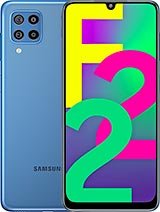
In 2026, the Samsung Galaxy F22 is firmly in the budget or ultra-budget segment of the used/refurbished market. Its hardware, particularly the Mediatek Helio G80 chipset and 720p display, has aged considerably when compared to modern entry-level smartphones which often feature more efficient processors and higher resolution screens.
The Best Features
The standout feature of the Galaxy F22 remains its formidable 6000 mAh battery. This capacity, even in 2026, suggests that the device can comfortably last through a full day, and potentially longer, for users with light to moderate usage patterns, making it suitable for those prioritizing endurance. The 90Hz Super AMOLED display, while only 720p, still offers a smoother visual experience compared to a standard 60Hz panel and provides the characteristic vibrant colors and deep blacks associated with AMOLED technology.
The Compromises
The primary compromise is the Mediatek Helio G80 (12 nm) chipset. By 2026, this processor is significantly underpowered, struggling with anything beyond basic applications and light multitasking. The 720p display resolution on a 6.4-inch screen results in a pixel density of approximately 274 ppi, which means text and images will appear less sharp than on contemporary devices. Furthermore, the 15W charging speed for a 6000 mAh battery is quite slow, requiring extended periods for a full charge.
Performance & Daily Usage
Based on the hardware, the Galaxy F22 in 2026 will deliver a functional but often sluggish experience. The Helio G80 chipset will likely struggle with modern applications, leading to noticeable delays when launching apps or switching between tasks. The 90Hz display will provide some fluidity, but the underlying processing power will limit overall UI responsiveness. Thermal management for this chipset was generally adequate at launch for its performance tier, and it is unlikely to experience significant thermal throttling under its limited load in 2026. The 48 MP main camera, while numerically adequate, lacks OIS, which suggests that photo quality, especially in challenging lighting conditions or for video, will be below current expectations for even budget phones.
Buying Advice
The Samsung Galaxy F22 in 2026 is a viable option only for individuals seeking an extremely affordable secondary device primarily for communication, basic web browsing, and extended battery life on the used market. For anyone requiring a responsive daily driver, a capable camera, or a modern software experience, newer budget alternatives offer significantly better performance and features.
Frequently Asked Questions (FAQs)
In 2026, the Samsung Galaxy F22 is only worth considering on the used market for its very low price and excellent battery life. Its processor and display resolution are significantly outdated, making it unsuitable for demanding applications or users expecting modern smartphone performance.
Based on the hardware specifications, the 48 MP main camera lacks Optical Image Stabilization (OIS). This absence, combined with its age, suggests that the camera will struggle significantly in low-light conditions, producing noisy and less detailed images.