
👍 Pros
- Robust software support with up to 6 major Android upgrades
- High-refresh-rate Super AMOLED+ display for fluid visuals
- Solid battery life with 5000 mAh capacity and 45W fast charging
- Durable build with Gorilla Glass Victus+ on front and back
- Capable main camera with OIS for stable photos and video
👎 Cons
- Absence of a microSD card slot limits storage expansion
- Ultrawide and macro cameras are relatively low resolution
- Plastic frame may not feel as premium as metal alternatives
- Exynos 1480, while competent, may not match flagship performance from 2026
- Selfie camera resolution is moderate compared to some competitors
Expert Review & Rating
Market Position in 2026
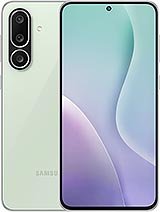
The Samsung Galaxy M56, released in 2025, positions itself in 2026 as a potentially viable option in the used or refurbished market, offering a balance of features that were competitive in its launch year. Its hardware, while not cutting-edge by 2026 standards, still holds up for average daily use against entry-level or lower mid-range new devices.
Performance & Daily Usage
Given the Exynos 1480 (4 nm) chipset, the Galaxy M56 should deliver competent performance for common applications and moderate multitasking. The 4 nm fabrication process suggests reasonable power efficiency. The 120Hz Super AMOLED+ display will ensure UI responsiveness feels fluid, and the 8GB RAM configuration is adequate for most user scenarios. Thermal management, based on the 4nm process, is likely to be efficient for typical usage, though sustained heavy gaming might see some performance throttling, as is common with mid-range chipsets.
The Compromises
The most significant compromise is the lack of a microSD card slot, which limits storage expansion beyond the internal 128GB or 256GB. While the main camera is capable, the 8 MP ultrawide and 2 MP macro lenses are relatively low resolution, suggesting a focus on the primary sensor for image quality. The plastic frame, while contributing to a lighter device, may not offer the same premium feel or rigidity as devices with metal frames.
The Best Features
The Galaxy M56’s strongest selling point is its comprehensive software support, promising up to 6 major Android upgrades, ensuring longevity and access to future features and security updates. The 6.74-inch Super AMOLED+ 120Hz display provides an immersive and smooth visual experience, which is a key interaction point for users. Furthermore, the 5000 mAh battery combined with 45W wired charging offers a robust power solution, capable of providing all-day endurance for most users and quick top-ups when needed. The 50 MP main camera with OIS is a significant asset, providing stable and detailed photos and videos, enhancing the device’s photographic capabilities.
Buying Advice
For users seeking a reliable and well-supported smartphone on a budget in 2026, especially on the used or refurbished market, the Samsung Galaxy M56 presents a compelling option due to its strong software commitment and balanced hardware. However, those prioritizing the absolute latest chipset performance or advanced camera versatility in ultrawide/macro photography might find newer mid-range alternatives more appealing.
Frequently Asked Questions (FAQs)
Yes, the Samsung Galaxy M56 can still be a worthwhile purchase in 2026, particularly if found on the used or refurbished market at a competitive price. Its robust software support, capable Exynos 1480 chipset for daily tasks, and a high-quality Super AMOLED+ display ensure it remains functional and pleasant to use, though it won't match the performance of brand-new 2026 flagships.
Based on the specifications, the 50 MP main camera with its f/1.8 aperture and Optical Image Stabilization (OIS) suggests a reasonable capability for low-light photography, as OIS helps reduce blur from handshakes and the wider aperture allows more light. However, the absence of OIS on the ultrawide or a larger sensor size for the main camera might limit its overall low-light performance compared to devices with more advanced camera hardware.