
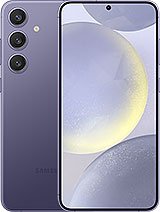
👍 Pros
- High-resolution LTPO AMOLED display with 2600 nits peak brightness remains competitive.
- Promised 7 major Android upgrades ensures long-term software support.
- Snapdragon 8 Gen 3 chipset (in some regions) still offers robust performance for most applications.
- Versatile camera system with OIS on main and telephoto lenses.
- Generous 4900 mAh battery capacity for extended usage.
👎 Cons
- Exynos 2400 variant may show performance discrepancies compared to Snapdragon 8 Gen 3.
- Lack of a microSD card slot limits expandable storage options.
- Only 3x optical zoom on the telephoto lens, which is moderate by 2026 standards.
- Gorilla Glass Victus 2, while durable, is now a generation behind the latest protections.
- Charging speeds, while decent, are not leading-edge compared to 2026 flagships.
Expert Review & Rating
Market Position in 2026
In 2026, the Samsung Galaxy S24+ primarily exists as a strong contender in the used and refurbished smartphone market. Its hardware, while two years old, still offers a compelling package, making it a viable option for those seeking flagship-tier performance without the current year’s premium price tag.
The Best Features
The Dynamic LTPO AMOLED 2X display remains a standout, offering a vibrant 120Hz refresh rate and an impressive 2600 nits peak brightness, ensuring excellent outdoor visibility and a fluid user experience. The promised seven major Android upgrades means this device will continue to receive software support well into the future, a significant advantage for longevity. The 4900 mAh battery capacity, combined with the efficient 4nm chipsets, suggests reliable all-day endurance for most users. The main camera system, featuring a 50 MP sensor with OIS and a 3x optical zoom telephoto, continues to produce high-quality images and video, remaining competitive against many modern mid-range devices.
Performance & Daily Usage
Based on the hardware, the Snapdragon 8 Gen 3 variant continues to deliver robust performance. Applications launch quickly. UI navigation remains responsive. Gaming performance holds up well for most titles at high settings. The Exynos 2400 variant, while also powerful, may exhibit slightly different thermal characteristics under sustained heavy loads. Overall, daily usage should feel smooth and capable for the majority of tasks.
The Compromises
One notable compromise is the regional chipset disparity; the Exynos 2400 in international markets might not consistently match the raw performance and efficiency of the Snapdragon 8 Gen 3, leading to a potentially varied user experience. The absence of a microSD card slot means users are limited to the internal 256GB or 512GB storage, which could be a concern for content creators or those with large media libraries. While the 3x optical zoom is useful, it is not as versatile as the longer telephoto capabilities found in some 2026 flagships. The 45W wired charging, while fast enough for many, is no longer among the quickest available, with many newer devices offering significantly higher wattages.
Buying Advice
The Samsung Galaxy S24+ is a highly recommended purchase on the used or refurbished market for users prioritizing a premium display, long-term software support, and solid overall performance without the expense of a brand-new flagship. However, those seeking the absolute latest in camera zoom technology or ultra-fast charging speeds should consider newer alternatives.
Frequently Asked Questions (FAQs)
Yes, the Samsung Galaxy S24+ remains a strong value proposition in 2026 on the used market. Its powerful chipset, excellent display, and commitment to long-term software updates ensure it can handle current applications and provide a premium experience for several more years.
The Galaxy S24+'s camera system has aged reasonably well. The 50 MP main sensor with OIS and the 3x optical zoom telephoto lens still deliver quality photos and videos competitive with many new mid-range phones. However, it lacks the advanced computational photography and extended zoom ranges found in 2026's top-tier flagships.