
👍 Pros
- Compact, pocketable design when folded
- Large, vibrant 120Hz AMOLED main display
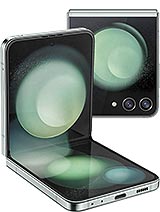
- Versatile and useful cover screen (Flex Window)
- Strong performance from Snapdragon 8 Gen 2
- Improved hinge durability
👎 Cons
- Modest battery life for 2026 standards
- Camera system is good, but not class-leading
- Relatively slow charging speeds
- No expandable storage
- Still a crease on the main display
Expert Review & Rating
Quick Overview
In a world increasingly dominated by slab phones, does a compact foldable like the Samsung Galaxy Z Flip5 still carve out a unique space, especially here in 2026?
Performance & Daily Usage
Under the hood, the Z Flip5 runs on the Qualcomm Snapdragon 8 Gen 2. In 2023, this was a flagship chip, and even in 2026, it’s remarkably capable. Apps launch instantly. Multitasking is smooth. One UI 8.5, built on Android 16, feels responsive and polished. Gaming performance remains solid for most titles. Thermal management is decent; it gets warm under sustained load, but never uncomfortably hot. It’s not a performance beast by 2026 standards, but it handles daily tasks with absolute ease. Expect no stutters, no major slowdowns. It just works.
The Best Features
The star of the show remains its form factor. This phone folds in half, making it incredibly pocketable. That’s a huge win for anyone tired of oversized devices. The main display, a 6.7-inch Foldable Dynamic AMOLED 2X, is vibrant, bright, and buttery smooth at 120Hz. HDR10+ content looks fantastic. But the real game-changer for the Flip5 was the significantly larger cover screen, or ‘Flex Window.’ This wasn’t just a notification panel; it was a genuinely useful mini-display. You could run full apps, reply to messages, control media, and even take selfies with the main cameras without opening the phone. This expanded utility dramatically improved the user experience, transforming it from a novelty to a genuinely practical feature. The hinge also saw improvements, closing completely flat, a small but significant aesthetic and functional upgrade.
The Compromises
No phone is perfect, and the Z Flip5 has its share of trade-offs. The battery, at 3700 mAh, was always on the smaller side, and by 2026, it’s definitely showing its age. Power users will struggle to get through a full day without a top-up. Charging speeds, at a mere 25W wired and 15W wireless, feel positively glacial compared to modern flagships. The camera system, while competent, isn’t going to win any awards. The dual 12MP setup is good for casual shots but lacks the versatility or low-light prowess of concurrent (or even slightly older) non-foldable flagships. There’s also no expandable storage, which for some, is a deal-breaker. And yes, despite the improved hinge, the crease on the main display is still there, a subtle but persistent reminder of its foldable nature.
Is It Worth Buying?
So, in 2026, is the Samsung Galaxy Z Flip5 still a viable option? Absolutely, but with caveats. If you prioritize a unique, compact form factor, a fantastic main display, and the genuinely useful Flex Window, and you can find it for a significantly reduced price, then yes, it’s worth considering. It’s perfect for someone who values portability and a bit of flair over absolute cutting-edge camera performance or marathon battery life. If you’re a heavy user, a mobile photographer, or someone who needs all-day battery life without fail, you’ll likely be better served by a more modern slab phone or a newer foldable with a larger battery and faster charging. But for a stylish, pocketable device that still feels surprisingly modern in daily use, the Z Flip5 holds its own.
Frequently Asked Questions (FAQs)
While Samsung improved the hinge and used Gorilla Glass Victus 2 on the back, the inner plastic screen remains the most vulnerable component. Expect micro-scratches over time, and treat it with care. The hinge itself has proven quite robust.
Yes, the Snapdragon 8 Gen 2 is still a very capable chip. It will handle almost all apps and games with ease, though it won't benchmark as high as the latest 2026 processors. For daily use, you'll notice no significant performance bottlenecks.