
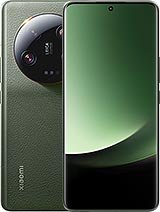
👍 Pros
- Large 1-inch type main camera sensor with variable aperture, offering significant light gathering capability.
- Comprehensive quad-camera system with multiple optical zoom levels (3.2x and 5x telephoto).
- High-resolution LTPO AMOLED display with a 120Hz refresh rate and high peak brightness.
- Generous RAM and storage configurations, including a 1TB option.
- Fast wired and wireless charging capabilities.
👎 Cons
- Snapdragon 8 Gen 2 chipset is two generations behind current flagships, impacting sustained performance.
- No expandable storage option via microSD card.
- Original Android 13 OS, requiring updates to HyperOS, may lead to fragmentation or slower updates compared to newer devices.
- Relatively heavy at 227g, potentially affecting long-term handling comfort.
- Selfie camera lacks autofocus and has a smaller sensor compared to the main array.
Expert Review & Rating
Market Position in 2026
The Xiaomi 13 Ultra, launched in 2023, now finds itself in the used and refurbished market in 2026. Its once flagship hardware still offers a compelling experience, especially when considering its likely reduced price point compared to current-generation devices.
Performance & Daily Usage
Based on the hardware, the Snapdragon 8 Gen 2 chipset, while two generations old, still provides robust performance for most applications and moderate gaming. UI responsiveness should remain fluid, particularly with the 120Hz display. Thermal management, given the chipset’s maturity, is likely optimized, although sustained heavy loads may still induce some throttling as with any high-performance chip.
The Best Features
The most significant advantage of the Xiaomi 13 Ultra lies in its camera system. The 1-inch type 50 MP main sensor with a variable aperture is a hardware standout, capable of capturing detailed images with excellent light gathering, especially in varied conditions. The inclusion of two dedicated telephoto lenses (3.2x and 5x optical zoom) provides exceptional versatility for distant subjects, a feature often reserved for the most premium smartphones. The LTPO AMOLED display with its high resolution, 120Hz refresh rate, and 2600 nits peak brightness ensures a visually stunning and smooth user experience, making media consumption and general navigation highly enjoyable.
The Compromises
The primary compromise in 2026 is the aging Snapdragon 8 Gen 2 chipset. While still capable, it will not match the raw processing power, AI capabilities, or power efficiency of contemporary flagship processors. The lack of expandable storage means users are limited to the internal storage configuration chosen at purchase, which could be a concern for those with extensive media libraries if a 256GB model is acquired. Furthermore, the phone’s weight at 227g is considerable, potentially leading to hand fatigue during prolonged use. The selfie camera, while 32 MP, lacks autofocus and has a smaller sensor, suggesting it may not perform as well in challenging lighting compared to the advanced rear cameras.
Buying Advice
For users seeking a powerful camera system and a high-quality display on a budget, the Xiaomi 13 Ultra on the used market presents a strong value proposition in 2026. However, those prioritizing the absolute latest processing power, extended software support, or a lighter form factor should consider newer mid-range or budget flagships.
Frequently Asked Questions (FAQs)
Yes, for users prioritizing an advanced camera system and a high-quality display on the used market, the Xiaomi 13 Ultra offers significant value. Its Snapdragon 8 Gen 2 chipset remains capable for most tasks, although it won't match the efficiency or raw power of current-generation processors.
Based on its hardware, particularly the large 1-inch type 50 MP main sensor with a variable aperture, the Xiaomi 13 Ultra's main camera is well-equipped for low-light photography. The larger sensor and OIS allow it to gather more light and maintain stability, which are critical factors for capturing clear images in dim conditions.