
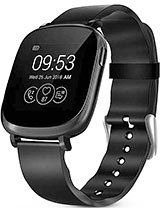
👍 Pros
- Compact and lightweight design at 39g
- IP54 rating offers protection against dust and water splashes
👎 Cons
- Proprietary operating system limits app ecosystem and integration with modern smartphone platforms
- LCD display technology and 240×240 resolution are significantly outdated compared to 2026 smartwatch displays
- 130 mAh battery capacity providing approximately 24 hours of use is insufficient for 2026 expectations
- Lack of cellular connectivity, GPS, and NFC severely restricts standalone functionality in 2026
- Limited sensor suite (accelerometer, heart rate) is basic for 2026 health tracking standards
Comprehensive Review & Rating
Detailed Analysis
Design & Build
The Allview Allwatch V, released in 2018, features a compact design with dimensions of 42 x 40 x 9.4 mm and a weight of 39g. Its construction incorporates premium materials and boasts an IP54 rating, signifying protection against dust ingress and water splashes. While the physical dimensions remain unobtrusive, the IP54 rating offers only basic splash resistance, falling short of the more robust water resistance standards (e.g., 5ATM or 10ATM) prevalent in smartwatches available in 2026.
Display & Performance
The device is equipped with a 1.3-inch LCD display, offering a resolution of 240 x 240 pixels, resulting in approximately 261 ppi density. In 2026, this display technology and resolution are considerably outdated. Contemporary smartwatches predominantly feature vibrant AMOLED or OLED panels with significantly higher resolutions, offering superior clarity, color reproduction, and outdoor visibility. The proprietary operating system and wearable-optimized processor, while functional for its release era, would likely exhibit noticeable latency and limited app compatibility when evaluated against the fluid interfaces and extensive application ecosystems of modern smartwatch platforms in 2026.
Health Tracking & Battery
Health tracking on the Allview Allwatch V is limited to an accelerometer and a heart rate monitor. This sensor suite is rudimentary by 2026 standards, where advanced smartwatches commonly integrate SpO2 monitoring, ECG capabilities, skin temperature sensors, and comprehensive sleep stage analysis. The battery capacity is specified at 130 mAh, providing an estimated 24 hours of usage. This battery life is a significant drawback in 2026, as many contemporary smartwatches offer multi-day battery performance, with some extending to several weeks on a single charge, particularly those with advanced power management and efficient displays.
Final Verdict
Considering the Allview Allwatch V’s specifications against 2026 technological benchmarks, it presents a significantly outdated proposition. Its proprietary OS, basic LCD display, limited sensor array, and single-day battery life are substantial disadvantages. The absence of cellular connectivity, GPS, and NFC further diminishes its utility as a standalone device. While its original market price was approximately $199, its functionality and features are not competitive in the current market. For consumers seeking a modern smartwatch experience with comprehensive health tracking, robust performance, and extended battery life, the Allview Allwatch V would not be a recommended purchase in 2026.
Frequently Asked Questions (FAQs)
💡 No, the Allview Allwatch V's health tracking capabilities are limited to an accelerometer and heart rate monitor. This is considered basic in 2026, as current smartwatches often include SpO2, ECG, and advanced sleep tracking.
💡 The 1.3-inch LCD display with 240×240 resolution on the Allview Allwatch V is significantly inferior to the AMOLED or OLED displays with higher resolutions and superior clarity found in most smartwatches released in 2026.
💡 With an estimated battery life of approximately 24 hours from its 130 mAh capacity, the Allview Allwatch V falls short of current user expectations in 2026, where multi-day battery life is a common feature in many smartwatches.